





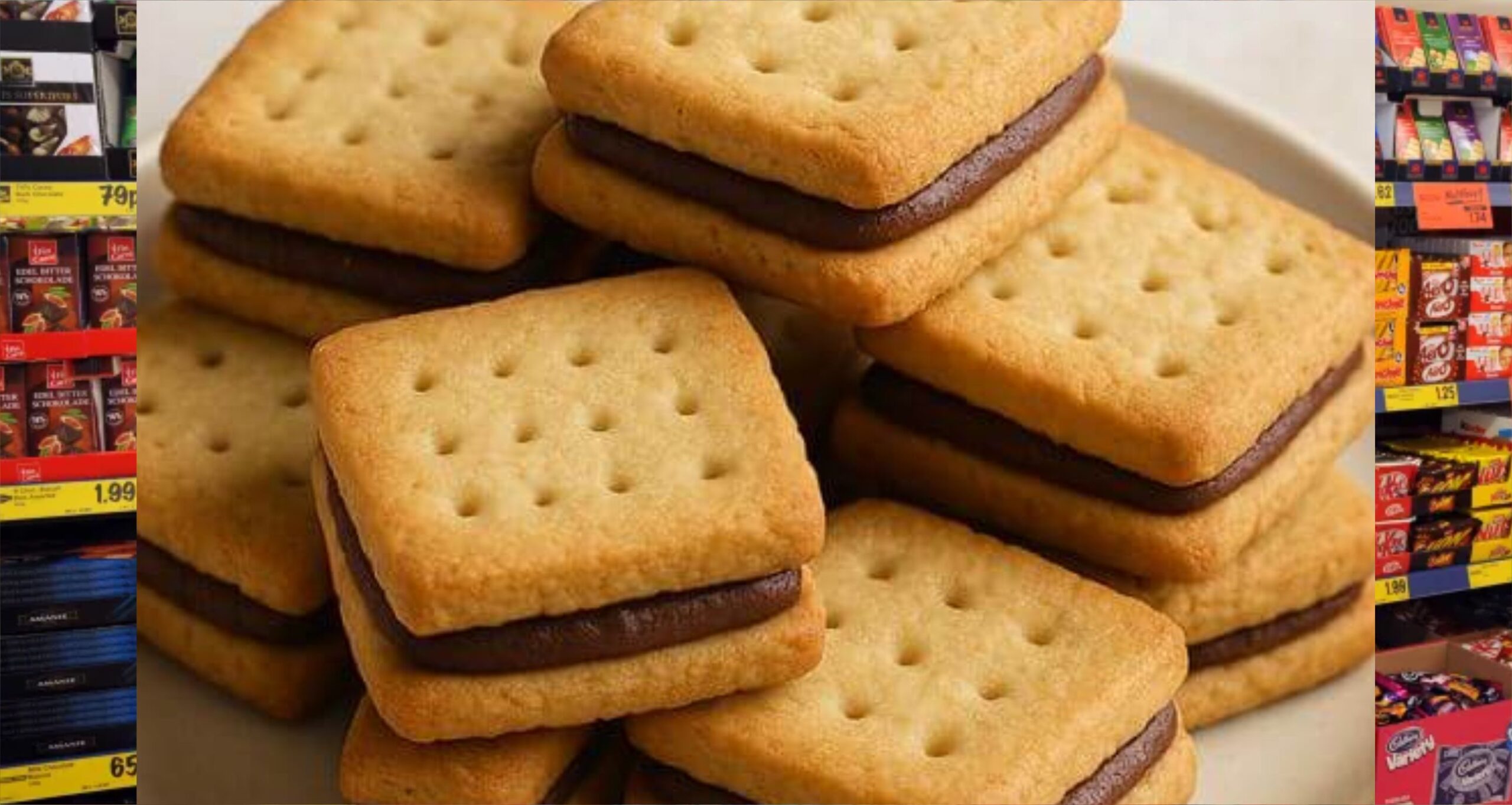
In many Nigerian households and for years, biscuits have long been a quick, affordable snack — something to pack in lunchboxes, enjoy with tea, or offer to guests. They were mostly chosen for taste, price, and convenience. Cream crackers, glucose biscuits, and chocolate‑covered varieties filled supermarket shelves and school bags alike. But lately, Nigerian consumers are thinking about biscuits in a different way: not just as tasty treats, but through the lens of health and nutrition. Conversations at markets, on social media, and around family tables increasingly center on health concerns regarding biscuit consumption — especially those related to sugar, fat, and processed ingredients.
With rising rates of lifestyle‑related health issues worldwide, Nigerian consumers in cities such as Lagos, Abuja, Port Harcourt, are paying more attention to what they eat. Words like “sugar content,” “high fiber,” and “whole grains” are no longer just labels on imported cereals, they are questions shoppers ask when they pick up a packet of biscuits.
Mothers, in particular, have started comparing brands not just by taste, but by what’s inside them. “I used to buy any biscuit my children liked, now I check how much sugar and fat is in each packet. I want snacks that give energy but don’t spike blood sugar.” says Mrs. Eze, a schoolteacher. This shift in mindset reflects a broader awareness about nutrition and long‑term health.
Demand vs. Health Awareness in Biscuit Consumption
Nigeria’s biscuit industry was once growing steadily, with industry analysts reporting a strong performance and annual output measuring in the hundreds of thousands of tons. However, demand for biscuits has generally slowed significantly in biscuit consumption as many consumers focus spending on essentials due to tightening budgets and inflationary pressures. This shift has affected local production and sales across the country.
Yet, amid these challenges, a new segment of the market is emerging — healthy biscuits, especially those promoted for higher fibre content, reduced fat, and whole-grain ingredients. These brands once limited in variety and harder to find, are now increasingly visible in Nigerian shops. People are asking: Are there biscuits with less sugar? Can I get options with oats or fibers that help digestion?
Some local manufacturers have taken notice. They are starting to experiment with nutrient‑rich ingredients like millet, brown rice, or plantains instead of refined wheat. Others are labeling products clearly with calorie counts and nutrition facts so shoppers can make informed choices.
Even traditional favorites are being re‑imagined. For example, classic digestives now come in versions with added oat bran or reduced sugar to appeal to health‑conscious buyers.
What’s interesting is how this health trend exists alongside broader market pressures. While overall biscuit consumption and demand has dipped due to economic constraints, the healthy and high-fibre sub-segment is building momentum. Market research reveals Nigeria Healthy Biscuits Market stood at USD 48.7 Million in 2024 and is anticipated to grow to USD 75.81 Million by 2033 becoming fastest-growing market in Middle East and Africa by 2033.
Why Fibre Matters to Nigerian Consumers
Nutritionists and health-conscious shoppers increasingly highlight dietary fibre as a key benefit of certain snacks. Fibre supports digestive health, helps regulate appetite, and can stabilize blood sugar levels when eaten as part of a balanced diet.
For many parents, too much sugar in snacks is linked to childhood obesity, dental problems, and energy crashes — issues parents want to avoid.
Surveys indicate that a large number of Nigerians still eat biscuits regularly, with many choosing them at least once a week. Some consumers specifically seek out options that they perceive as better for their health, with labels that mention whole grains and fibre content.
Related – How Nigerians Choose Toothpaste, Why Urban And Rural Markets Are Drifting Apart
Here are some biscuit choices that feature higher dietary fibre and are becoming popular with shoppers looking for healthier alternatives:
- Britannia NutriChoice High-Fibre Digestive Biscuits — These are made with whole wheat and bran for added fibre, and are often marketed as a healthy tea-time snack.
- Sunfeast Farmlite High Fibre Digestive Biscuits — Whole grain biscuits designed to support digestive health and provide a wholesome alternative to more sugary snacks.
- Misura Fibrextra Whole Wheat Biscuits — Made with whole wheat and known for substantial fibre content, these can help people reach their daily fibre goals with a tasty crunch.
- Gullón Sugar-Free Fibre Biscuits — A wholegrain, sugar-reduced option that contains notable fibre per serving and pairs well with tea or coffee.
- Balocco Cruschelle High-Fibre Biscuits — Imported biscuits that emphasize fibre and natural ingredients, appealing to consumers seeking premium high-fibre snacks.
These high-fibre selections aren’t just healthier sounding — they reflect a real shift in the market where nutritional benefit matters more to buyers, especially amid rising concerns about sugar, refined carbohydrates, and the long-term impacts of diet on wellbeing.
BuyerMetrics Bottomline
Nigeria’s biscuit market is no longer driven by volume alone — it is being reshaped by health awareness under economic pressure.
Market data shows a clear paradox. On one hand, overall biscuit consumption has weakened as inflation squeezes household budgets and forces consumers to cut back on non-essential snacks. On the other, health-positioned biscuits — especially high-fibre options — are gaining relevance, not because Nigerians are eating more biscuits, but because they are becoming more selective about the ones they buy.
The implication is clear. Biscuit demand in Nigeria is not disappearing — it is fragmenting. Mass-market, sugar-heavy biscuits face volume pressure, while functional snacks that promise fibre, satiety and “better-for-you” benefits are carving out a defensible niche, even at higher price points.
For manufacturers and retailers, growth will not come from selling more biscuits to everyone, but from selling the right biscuits to the right consumers. For buyers, biscuits are no longer just a cheap snack — they are increasingly a health trade-off decision.
In Nigeria’s biscuit market, health is quietly becoming a purchase filter, and fibre is emerging as one of the strongest signals shaping what stays in the shopping basket.