




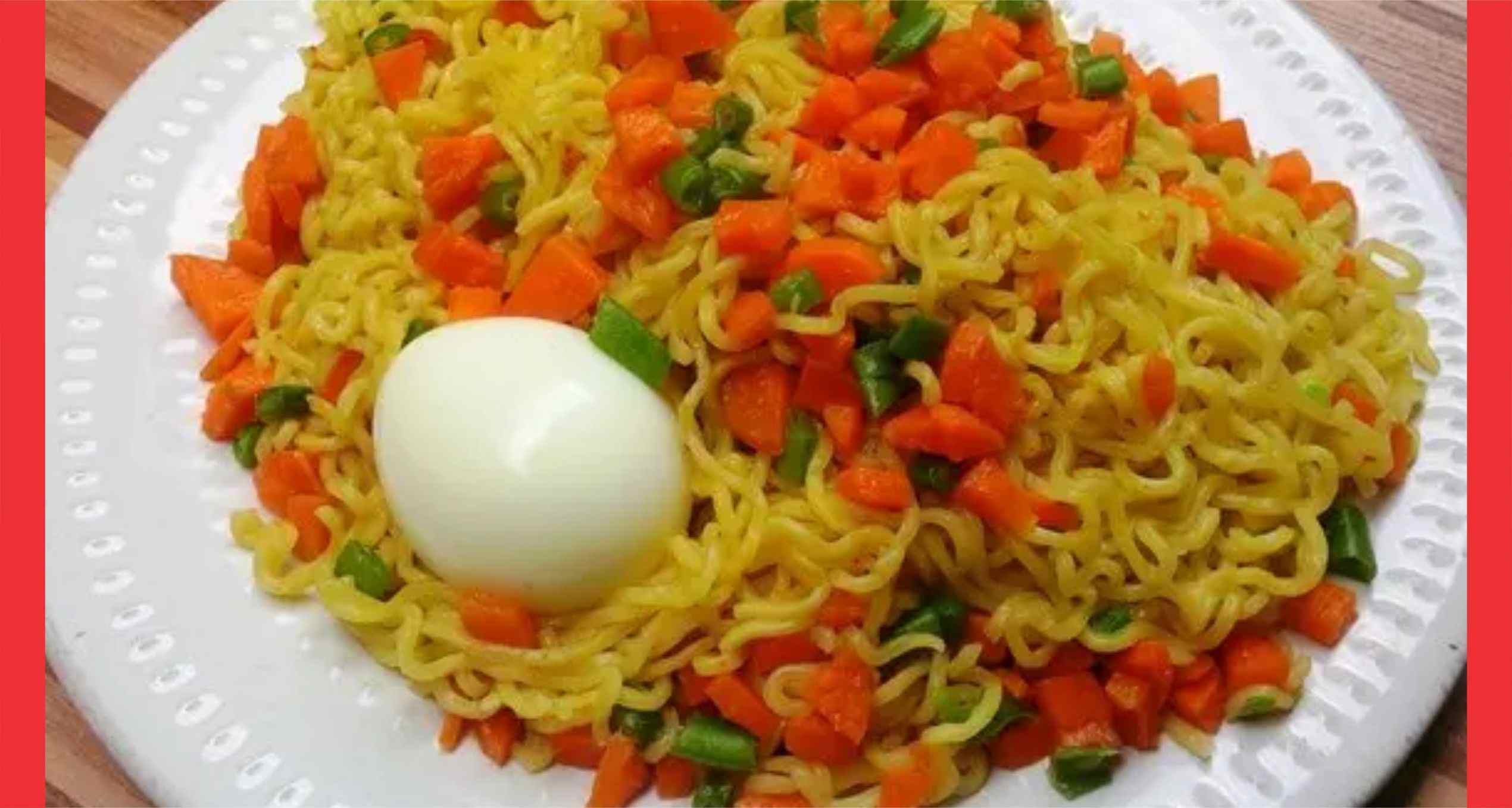
Instant noodles are getting more expensive in Nigeria due to rising wheat import costs, naira depreciation, higher fuel and logistics expenses, and food inflation around 30%, according to the National Bureau of Statistics.
For years, instant noodles were the fallback plan having been the quick, affordable meal that almost anyone could rely on. Today, that reality is shifting. Across Nigeria, many households are noticing the same thing at the same time: what used to be a small, almost invisible expense is becoming harder to ignore.
Noodles Price Increase in Nigeria (2024–2026)
Nigeria consumes an estimated 4.5 billion packs of noodles annually, placing it among the largest markets globally. Brands like Indomie are deeply embedded in everyday consumption.
Over the past 12 to 18 months, however, prices have risen sharply by between 40% and 70%, depending on brand and location. This increase is not isolated. It reflects broader economic pressure, with inflation remaining above 30% and food inflation tracking even higher. At the same time, the depreciation of the naira has raised the cost of imported inputs such as wheat and packaging materials, while energy and transportation costs have surged significantly.
For consumers, the impact is immediate and visible. For the economy, it is revealing.
The Hidden Shift: Shrinkflation in Nigeria’s Food Market
Not all price increases are obvious. Alongside rising prices, companies are quietly reducing portion sizes, a trend known as shrinkflation. In practical terms, this means slightly smaller noodle portions, subtle reductions in seasoning or oil packs, and minimal packaging adjustments that are easy to overlook.
The effect is gradual but meaningful. Consumers may still pay similar prices in some cases, yet receive less product, meaning the true cost per gram continues to rise.
How Consumers Are Adjusting to Rising Food Prices
Despite these increases, noodles remain one of the most affordable meal options in Nigeria, typically priced between ₦250 and ₦300 per pack. Even so, behavior is shifting. Many consumers are now buying fewer packs per visit, while purchase frequency is gradually declining. There is also a growing tilt toward lower-cost brands as households become more price-sensitive.
“I can’t remember when last I bought noodles. I now compare noodles with rice. ₦1,500 worth of noodles can’t give us a meal, but with the same amount, I can cook a De Rica of Rice”; says Feyisayo, a mother of three
What was once an automatic purchase is increasingly becoming a deliberate one, shaped by tighter budgets and reduced disposable income.
From Convenience to Survival Spending
The broader shift extends beyond noodles. Nigeria’s consumer economy is moving from convenience-driven spending to survival-driven decisions. With inflation consistently outpacing wage growth, real incomes have declined, forcing households to focus more intensely on affordability and value per spending.
Related – Soybean Prices Ease As Oil Market Relief Counters Strong Domestic Demand
This transition is reshaping the market. Premium variants are losing ground, while cheaper alternatives are expanding. At the same time, brand loyalty is weakening as consumers prioritize cost over preference.
What This Means for Manufacturers
Producers are operating in an increasingly difficult environment. Rising input costs, driven by currency pressures and supply chain challenges, are squeezing margins. At the same time, competitive pressures limit how much of these costs can be passed on to consumers without affecting demand.
In response, as it is noticed in sachet products, companies are gradually adjusting prices, reducing pack sizes, and implementing cost-efficiency measures. The focus has shifted away from aggressive growth toward maintaining stability in a volatile economic climate.
What the Data Is Signaling About Nigeria’s Economy
Instant noodles are no longer just a food item; they are becoming a real-time signal of economic conditions. When a product consumed at such scale becomes noticeably more expensive, it reflects deeper structural changes. Essential goods are increasingly acting as frontline indicators of inflation, while consumers are adjusting rapidly to declining purchasing power. At the same time, companies across the consumer goods sector are moving into defensive positions.
Together, these signals point to a consumer economy under sustained pressure.
BuyerMetrics Bottom Line
Instant noodles once represented affordability in Nigeria. In 2026, they are beginning to represent something more complex – the reality of a rising cost of living.
When prices increase by as much as 70%, portions shrink, and purchasing behavior changes, it signals more than a shift within a single product category. It reflects the broader condition of the Nigerian consumer.
The data points to one clear conclusion: even the most accessible staple is no longer insulated from inflationary pressure.