






Palm oil is gaining a bigger role in the global energy market, creating a new source of demand for a commodity traditionally associated with cooking, food manufacturing and other consumer products.
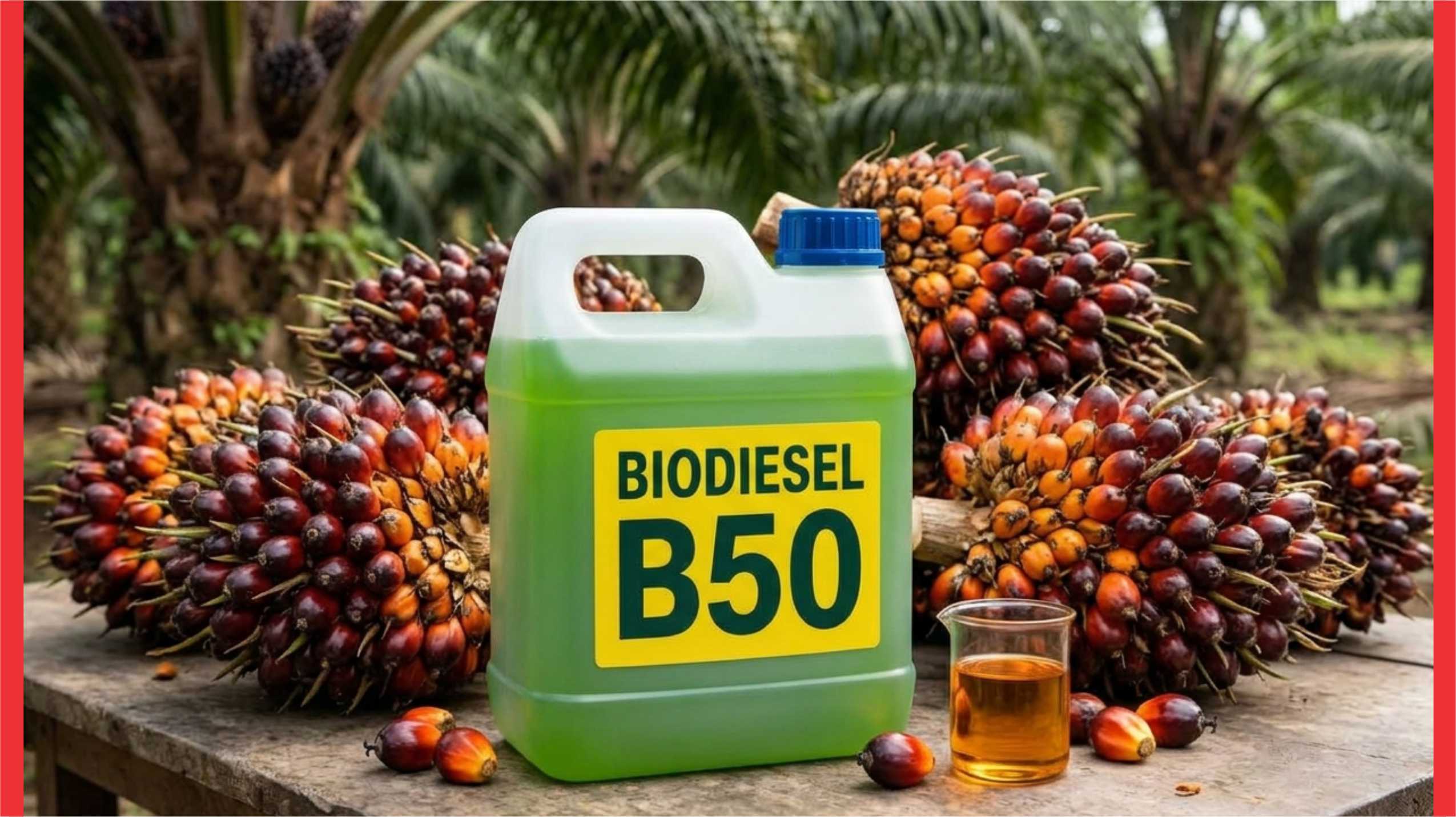
The shift is being led by Indonesia, the world’s largest palm-oil producer, which launched its B50 biodiesel mandate in July 2026. The programme requires a blend containing 50% palm-based biodiesel and 50% conventional diesel. This policy strengthens the link between energy policy and vegetable-oil prices.
Indonesia’s B50 programme is expected to raise annual crude palm oil consumption for biodiesel to between 16.3 million and 17 million tons, according to industry estimates reported by The Jakarta Post in July.
The Indonesian Palm Oil Association estimated that the additional demand required for the programme in 2026 would be about 1.74 million tons.
While Indonesia is implementing B50, Malaysia, the world’s second-largest palm-oil producer, introduced a B15 biodiesel mandate in Peninsular Malaysia in June 2026. The US Department of Agriculture projects Malaysian domestic palm-oil consumption will increase to 4.59 million tons in the 2026/27 marketing year, partly because of stronger biodiesel demand.
Together, the policies demonstrate how government decisions are creating additional demand for palm oil even when food consumption and export demand follow different trends.
The implication of the policy is that more palm oil must be directed towards domestic fuel consumption rather than export markets.
For the global palm-oil industry, this is expected to exert a considerable pressure on supply if production fails to expand fast enough to meet the competing needs of energy, food and international trade.
What does this mean for palm-oil prices?
When more oil is committed to biodiesel production, exporters will begin to have less supply available to sell abroad unless producers increase output or existing stocks are drawn down. The resulting price effect is expected to follow the demand and supply effect.
It is true that other factors may impact prices; production, inventories, competing vegetable oils, crude oil prices and demand from major importers such as India and China. These may not correct the disruption biofuel demand will have on the market
Weather adds another variable. If dry conditions reduce oil-palm yields in Southeast Asia while biodiesel consumption rises, the market could face a tighter supply balance. Malaysia’s 2026/27 outlook already reflects concerns about weaker production and higher industrial consumption.
The key two market question are
- How much additional palm oil the energy sector will absorb relative to the supply available?
- How are the market players preparing for this disruption?
Nigeria’s opportunity
For Nigeria, the development presents both a potential opportunity and a production challenge.
Nigeria has an established palm-oil industry with an estimated production of roughly 1.57 million metric tons (according to data from the Council of Palm Oil Producing Countries – CPOPC), occupying 5th position in global production ranking even though it produces 2% of total worldwide supply
The compelling question is; can Nigeria seize this opportunity to pursue its 1960 position?
The coming phase in global palm oil market is creating opportunities for Nigerian farmers, plantation operators, processors and investors to expand production and improve yields. Nigeria need to meet local consumption fast so it can participate satisfactorily in the export market.
The opportunity would be strongest if Nigerian producers can supply competitively priced crude palm oil and processed products to domestic buyers and regional markets.
There is also a domestic policy question: whether Nigeria could develop a viable palm-based biofuel industry of its own.
Nigeria need to invest in expanding output through better yields, improved planting materials maintaining existing plantations enhanced milling.
The market to watch
The next phase of the palm-oil market will depend on three developments: how fully Indonesia implements B50, whether Malaysia’s higher biodiesel mandate reduces exportable supplies, and how production responds to weather and investment.
For traders and processors, Indonesia’s domestic consumption and export figures will be particularly important. Malaysian production, inventories and export data will help show whether additional biodiesel demand is translating into a tighter international market.
For Nigeria, the strategic issue is whether the country can turn a changing global demand pattern into greater domestic production, processing investment and market share.
Conclusion
Biofuel is adding a structural source of demand to the palm-oil market. The strongest opportunity for producers will emerge where rising energy demand meets constrained supply, but Nigeria’s ability to benefit will depend on improving production and competitiveness, not prices alone.