





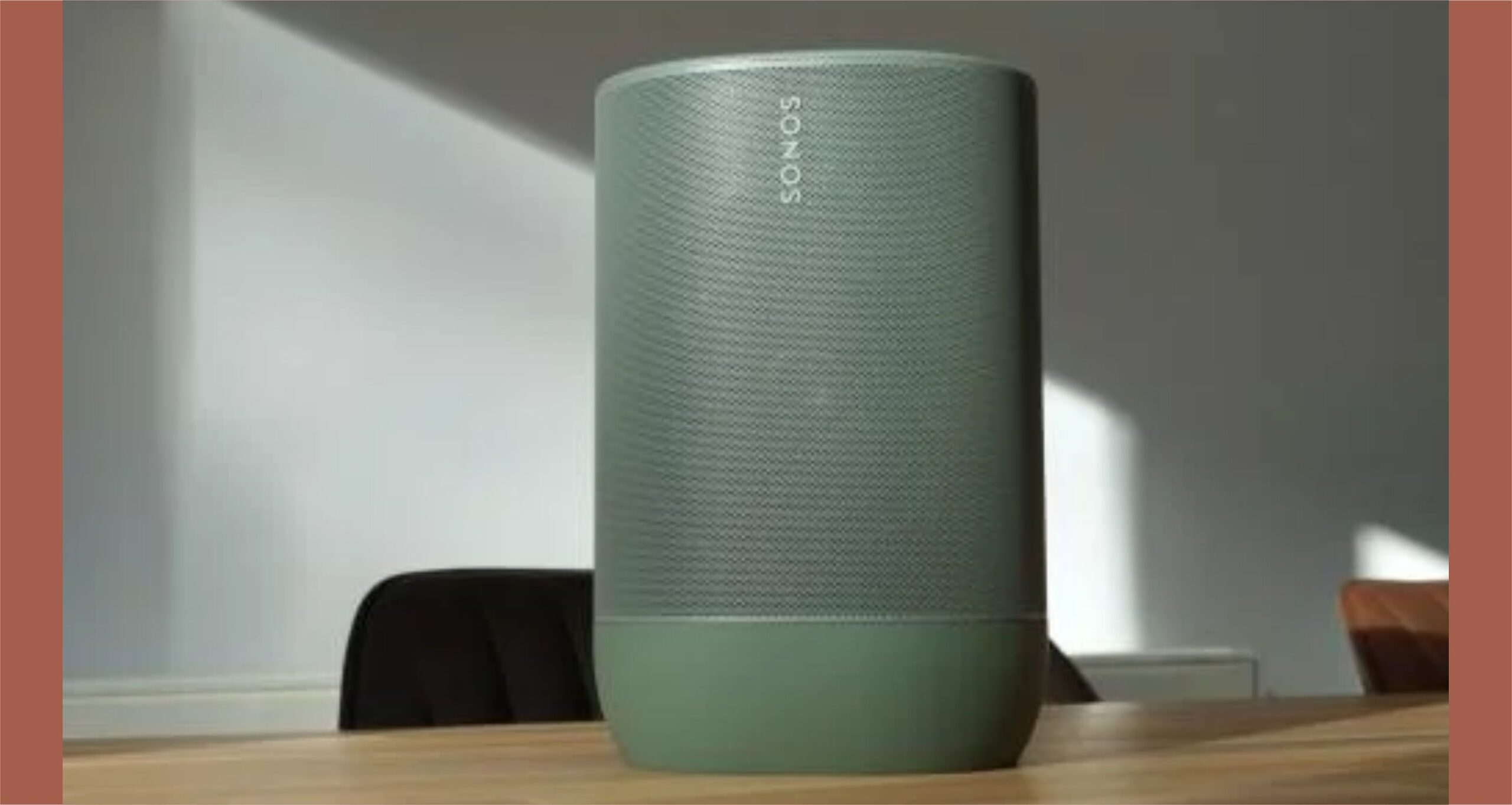
Bluetooth speakers have evolved from optional accessories to everyday utility devices in Nigeria. They now power homes, roadside stalls, worship centres, gyms, outdoor hangouts, and social events. As usage has broadened, the market has matured, and buying smart now requires understanding where prices are heading, which segments are growing, and what features actually justify spending more. By 2025–2026, Nigeria’s Bluetooth speaker market has settled into three clear tiers: mass-market affordability, aspirational mid-range, and high-end premium sound. Each tier behaves differently in terms of price, demand, and future growth.
Brand Power vs Practical Value in Bluetooth Speaker Market
Global brands such as JBL, Sony, Bose, LG, and Samsung continue to dominate consumer perception. JBL remains the most visible, with the Flip, Xtreme, Boombox, and PartyBox series acting as reference points across the market. For buyers, these brands deliver strong sound quality, durability, and brand assurance, but often at rising prices. Large party speakers like the JBL PartyBox series and Sony’s 360-audio models now sell for hundreds of thousands of naira, with top-end models exceeding ₦1 million. These premium products have become increasingly lifestyle and event-driven purchases rather than everyday necessities. Buyers who rarely host large gatherings often pay a premium for capacity they do not fully use.
Why Mid-Range Brands Dominate Real Demand
The strongest growth, and the smartest buying, remains in the mid-range segment. Brands such as Zealot, Oraimo, Anker (Soundcore), Tronsmart, Jamkik, F&D, King One, and W-Ster account for the bulk of unit sales nationwide. Their appeal is simple: loud sound, long battery life, portability, and affordability. Zealot’s rise is especially instructive. By offering strong output, extended playtime, and power-bank features at accessible prices, it has become a default choice for value-conscious buyers. For most Nigerians, this tier delivers 70–80% of premium performance at a fraction of the cost.
Price Trends: What Buyers Should Expect
Prices in Nigeria’s Bluetooth speaker market have been on a steady upward path, shaped largely by naira depreciation, higher import costs, logistics expenses, and distributor mark-ups. While demand remains strong, buyers are now navigating a market where prices rarely move down, only sideways or up. Across most categories, Bluetooth speakers are now 30–80% more expensive than they were two to three years ago, depending on brand and segment. In 2022 and early 2023, many popular portable speakers sat comfortably in impulse-buy territory. By 2024 and 2025, the same models had shifted into more deliberate, planned purchases. This evolution has pushed buyers to become more value-conscious, prioritizing features that justify higher spend.
Current Price Bands (2025–2026)
Entry-level speakers now typically range between ₦10,000 and ₦25,000. At this level, buyers can expect basic Bluetooth connectivity, moderate sound, and limited bass. Prices have risen roughly 40–60% from pre-2023 levels, reflecting added features such as water resistance, better battery capacity, and sturdier enclosures that were once rare in this segment.
Related – Supermarket And Grocery Stores In Nigeria Grow By 71.8% In Three Years
Mid-range speakers, the market’s sweet spot, generally cost between ₦30,000 and ₦80,000. Key brands in this category include Zealot, Oraimo, Anker (Soundcore), Tronsmart, and Jamkik. Prices in this tier have risen 50–70% over the past two years, but buyers benefit from longer battery life, louder sound, and power-bank functionality. Despite the higher price, mid-range models remain the best value-for-money option for most consumers.
Premium and party speakers now range from ₦150,000 to over ₦1,000,000, with JBL, Sony, Bose, and LG dominating this tier. Prices have surged 60–100% since 2022–2023, placing these models firmly in discretionary spending territory. What were once aspirational purchases have become luxury lifestyle items, often bought for events, businesses, or social status rather than everyday use.
Price Outlook: What Happens Next
Looking ahead into 2026, prices are expected to remain firm rather than decline. In the short term, minor fluctuations may occur, but meaningful drops are unlikely. Over the medium term, prices could edge slightly higher if exchange-rate pressures persist. Buyers may see value in feature bundling, such as longer battery life, louder sound, and additional accessories, rather than outright discounts. For imported premium brands, price cuts are improbable; any affordability gains are more likely to come from new mid-range models replacing older ones rather than existing products becoming cheaper.
Buyer Takeaway on Pricing
In today’s market, waiting rarely leads to lower prices. The smarter approach is to buy for durability and battery life, rather than chasing the lowest price tag. Buyers should avoid overpaying for unused capacity, particularly with large party speakers, and view mid-range models as long-term utility purchases rather than short-term gadgets. As inflation and market dynamics reshape consumer behavior, the best-performing products will be those that justify their higher prices with real, everyday performance, not brand prestige alone.