





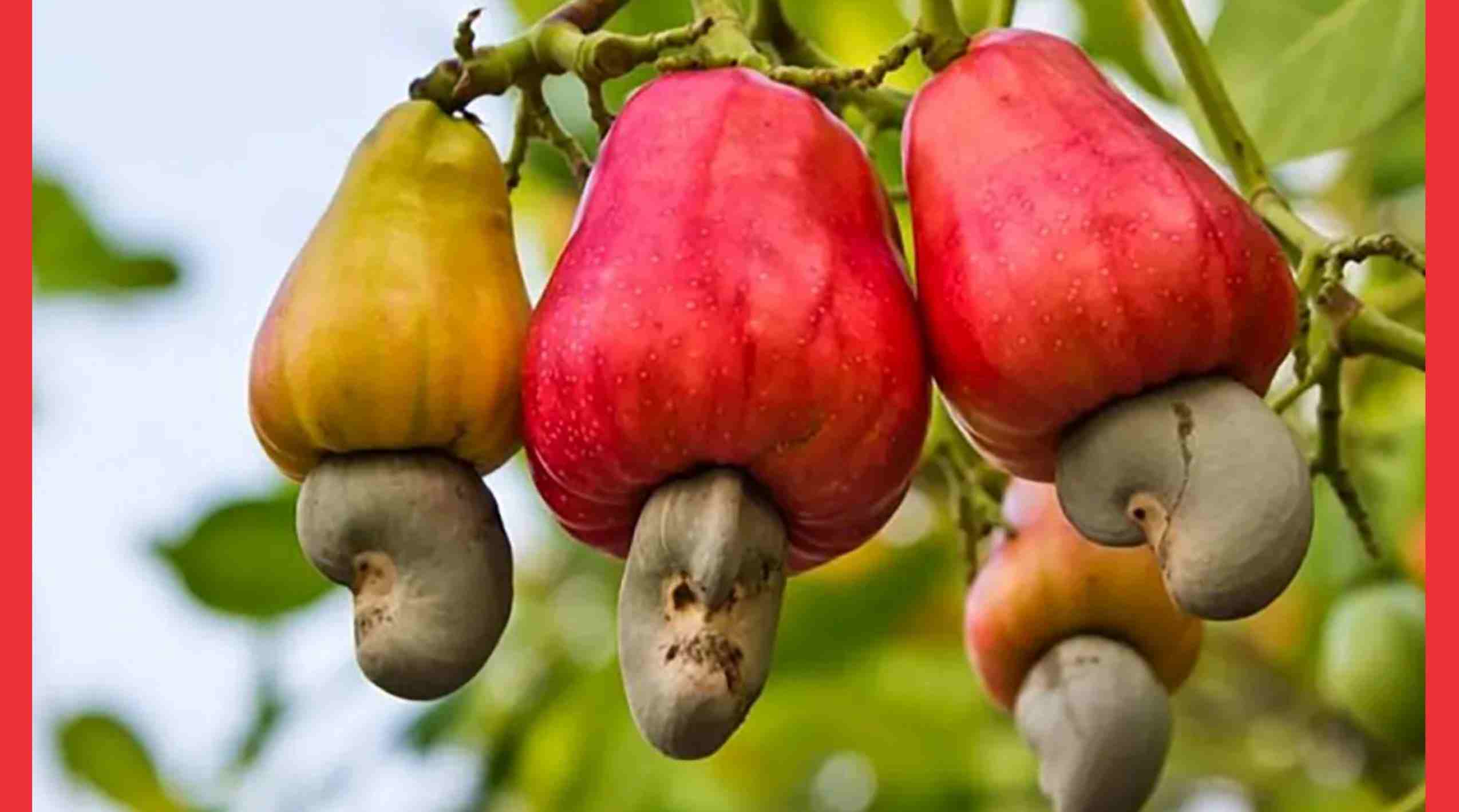
Nigeria is maintaining a price premium in the global cashew market as stronger demand for premium kernels and tightening supplies continue to support export prices across major producing countries.
Latest wholesale Free on Board (FOB) quotations indicate Nigerian raw cashew nuts (RCN) are trading at an estimated $1,180 to $1,250 per metric ton, placing the country above most competing West African origins, including Ivory Coast, Benin, Tanzania and Mozambique.
The higher pricing reflects firm domestic demand, quality considerations and limited availability following the peak harvest season. While the premium boosts earnings for farmers and exporters, it also raises procurement costs for international buyers and could influence sourcing decisions in key processing markets such as Vietnam and India.
Nigeria Commands Higher FOB Prices
Although Nigeria is not included in the Cashew Index’s published FOB benchmark, current exporter quotations show the country maintaining one of the strongest price positions in the region.
| Origin | FOB Price (USD/MT) | 7-Day Change |
| Nigeria (Estimated) | 1,180–1,250 | Firm |
| Ivory Coast | 1,150 | +1.2% |
| Benin | 1,120 | +1.0% |
| Tanzania | 1,090 | +0.6% |
| Mozambique | 1,070 | +0.4% |
| India (Domestic) | 1,280 | +0.8% |
Nigeria’s estimated FOB price represents a premium of up to 9% over Ivory Coast and more than 11% over Tanzania, underscoring the value international buyers place on Nigerian raw cashew nuts. However, higher prices may also encourage some buyers to seek lower-cost alternatives where quality differences are less significant.
Premium Kernel Prices Continue to Strengthen
The global processed kernel market also showed resilience, led by premium grades.
W180 kernels, regarded as the highest commercial grade, traded at $8.10 per pound FOB India and $8.30 per pound FOB Vietnam, recording monthly gains of 2.1%.
W210 and W240 grades also advanced, reflecting sustained demand from retailers and food manufacturers for higher-quality kernels.
Meanwhile, benchmark W320 kernels eased slightly to $4.55/lb from India and $4.65/lb from Vietnam, indicating buyers remain selective in lower-value segments.
| Grade | India FOB (USD/lb) | Vietnam FOB (USD/lb) | 7-Day Change | 30-Day Change |
| W180 | 8.10 | 8.30 | +0.8% | +2.1% |
| W210 | 6.40 | 6.55 | +0.6% | +1.4% |
| W240 | 5.40 | 5.55 | +0.4% | +0.9% |
| W320 | 4.55 | 4.65 | -0.2% | -1.1% |
| W400 | 4.10 | 4.20 | -0.1% | -0.6% |
| W450 | 3.95 | 4.05 | +0.1% | -0.4% |
| SW | 3.20 | 3.30 | Flat | -0.3% |
| LWP | 3.05 | 3.15 | +0.2% | +0.5% |
| SWP | 2.65 | 2.75 | +0.1% | +0.3% |
What Is Driving Prices?
The combination of tighter raw nut supplies and stronger demand for premium kernels is supporting prices across the global cashew value chain.
As inventories decline after the main harvest season, exporters and processors continue to compete for quality raw materials. At the same time, buyers in Asia remain willing to pay higher prices for premium kernels, even as demand for lower-grade products remains subdued.
For Nigeria, this presents an opportunity to maximize export earnings, provided exporters can maintain consistent quality and reliable supply.
Why It Matters
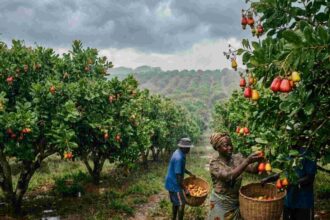
With estimated 25,000 smallholder farmers and some commercial plantations, Cashew is one of Nigeria’s leading non-oil agricultural exports, making international price movements important for farmers, exporters and policymakers.
Though higher FOB prices translate to increase in export revenue and improved farmgate incomes, but they also raise the risk of losing market share if competing suppliers offer comparable quality at lower prices. Expanding domestic processing and improving kernel recovery rates has remained central to Nigeria capturing more value while reducing reliance on raw nut exports.
BuyerMetrics Bottom Line
Nigeria is entering the second half of the marketing season from a position of pricing strength. The country’s raw cashew nuts continue to command a premium over most West African competitors, while global demand for premium kernels remains resilient. The challenge now is to convert that pricing advantage into long-term competitiveness through better quality, greater processing capacity and stronger value addition. If achieved, Nigeria can strengthen its position as a leading supplier in the global cashew market.