







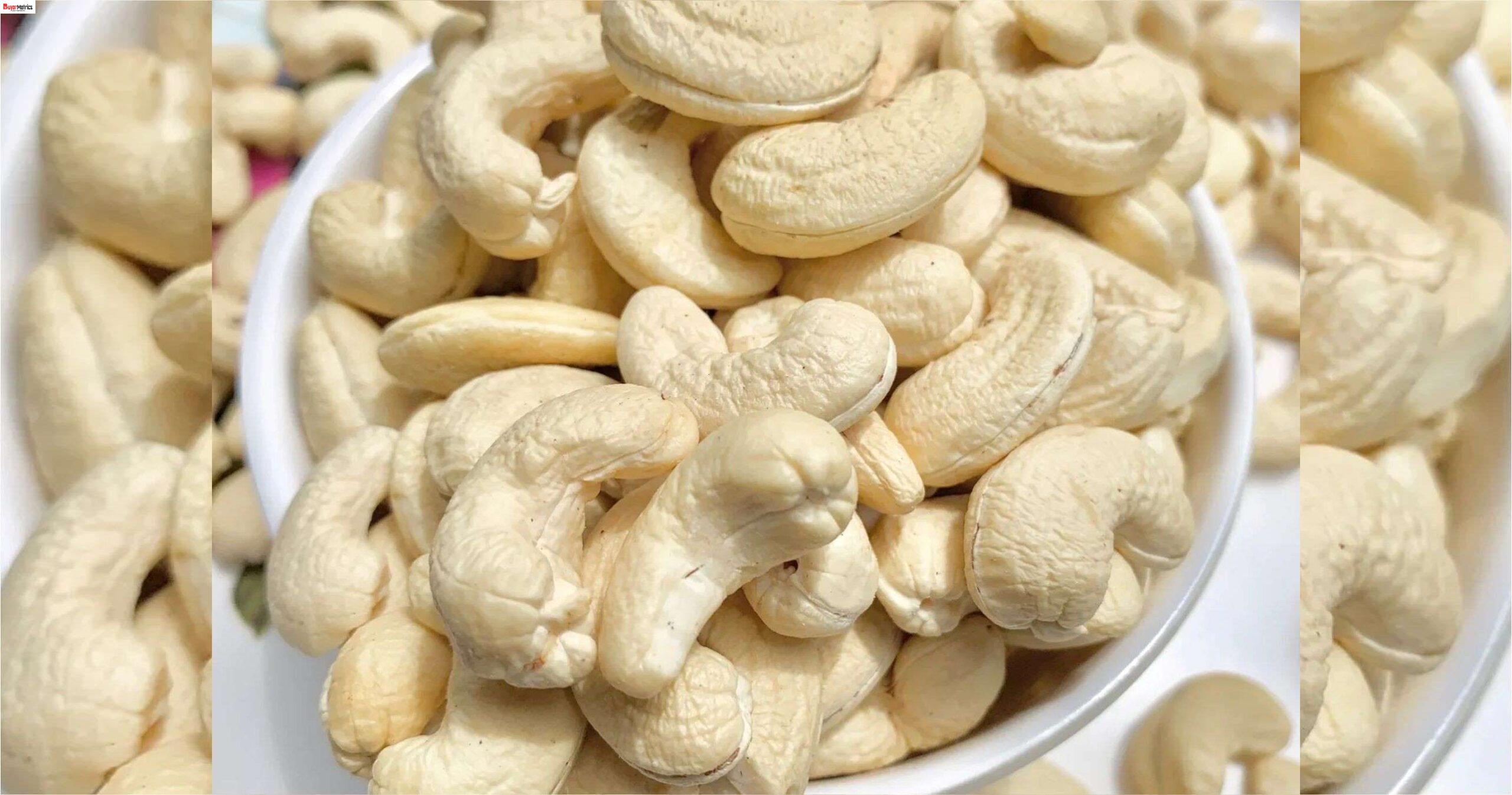
The global cashew market is showing remarkable resilience in 2026, with both raw cashew nuts (RCN) and processed kernels maintaining firm prices despite expectations of larger harvests across Africa.
Unlike cocoa, where weather-related supply concerns dominate market sentiment, the cashew market is currently being driven by strong processor demand, inventory rebuilding by global buyers, and recovering consumer spending in key importing markets.
For Nigeria and other African producers, the result has been stronger prices and sustained export demand throughout the first half of the year.
Current Cashew Prices
Market data indicate that raw cashew nuts are currently trading at approximately $2,000-$2,500 per metric tonne in international markets, depending on quality, origin and kernel outturn ratio.
Processed cashew kernels, particularly the benchmark W320 grade, are commanding significantly higher prices. Current transaction values range between $7,000 and $9,500 per tonne, with premium grades trading above that level in some export markets. Recent market transactions show kernel prices around $8.15-$9.58 per kilogram in major importing countries, equivalent to roughly $8,150-$9,580 per tonne.
The price differential highlights the substantial value captured through processing rather than exporting raw nuts.
How Prices Moved Over the Last Quarter
The last three months have been characterized by steady appreciation rather than the sharp rallies often seen in cocoa or coffee markets.
In Nigeria, industry reports indicate raw cashew prices surged to about ₦2 million per tonne, representing a 29% increase from average levels recorded earlier in the year.
Across West Africa, raw cashew prices generally strengthened during the March-May harvest season as processors competed aggressively for supplies. The market transitioned from early-season caution to stronger buying activity as export orders improved and inventory rebuilding accelerated.
Processed kernels also recorded gains during the quarter. Market reports show benchmark WW320 kernel prices advancing as buyers in Europe, North America and Asia increased purchases. Recent trade data suggest kernel prices appreciated further during April and May amid tightening availability of processed stocks.
What’s Driving Demand for Raw Cashew Nuts?
Aggressive Buying by Vietnamese Processors
Vietnam remains the world’s largest cashew processing hub and continues to import massive volumes of raw nuts from Africa.
Vietnam imported nearly $2.2 billion worth of raw cashew nuts in just the first four months of 2026, up 32% year-on-year, underscoring why demand from Vietnamese processors remains one of the most important drivers of global cashew prices.
Despite concerns about logistics costs and margin pressures, Vietnamese processors have maintained strong procurement activity to support export commitments to Europe, the United States and China.
This demand has become one of the strongest supports for raw cashew prices.
India’s Processing Industry Needs More Supply
India continues to process roughly 1.5 million tonnes annually, requiring imports of several hundred thousand tonnes each quarter due to a persistent domestic supply deficit.
The country’s processors remain active buyers in West Africa, creating direct competition with Vietnamese importers and helping sustain elevated farmgate and export prices.
Inventory Rebuilding
Many importers and food manufacturers reduced inventories during the period of high inflation and elevated financing costs in 2024 and 2025.
Related – Cocoa Prices Stabilize After Two-Week Selloff As Market Reassesses Supply Outlook
As inflation moderates and economic conditions improve, buyers have begun rebuilding inventories, increasing demand for raw materials throughout the supply chain. This restocking cycle has provided additional support for raw cashew prices.
What’s Driving Demand for Processed Cashew Kernels?
Recovery in Consumer Spending
Improving consumer purchasing power in major economies is supporting demand for packaged foods, snacks and premium food ingredients.
Cashew kernels are widely used in confectionery, bakery products, snack foods and plant-based food products, making them beneficiaries of recovering food consumption trends.
Growth in Food Manufacturing
Food manufacturers continue expanding the use of cashew kernels in value-added products.
Demand from processors serving retail, hospitality and food-service channels has increased, particularly in North America, Europe and parts of Asia.
Expanding Processed Cashew Market
The global processed cashew market is projected to continue expanding over the next decade, supported by rising consumption and increased processing capacity. Industry forecasts estimate annual growth rates of approximately 5% to 6% for processed cashew products.
Market Outlook
The outlook for the second half of 2026 remains broadly positive.
On the supply side, larger African harvests are expected to improve availability. However, strong procurement from Vietnam and India, combined with ongoing inventory rebuilding and stable consumer demand, should continue supporting prices.
Base Case Scenario
- Raw cashew nuts remain within the $2,000-$2,700 per tonne range.
- W320 kernels trade largely between $7,500 and $9,500 per tonne.
- Demand continues to absorb increased African production.
Bullish Scenario
If demand from China accelerates or processors increase purchases beyond expectations:
- Raw cashew prices could move above $2,700 per tonne.
- Kernel prices could challenge the $10,000-per-tonne threshold.
Downside Risks
The main risks include:
- Larger-than-expected African harvests.
- Slower consumer spending growth in Europe and North America.
- Margin pressure on processors that could reduce buying activity.
BuyerMetrics Bottom Line
The cashew market is being driven by a classic demand-led story. Raw cashew nut prices have strengthened over the last quarter as Vietnamese and Indian processors compete for supplies, while processed kernel prices remain elevated due to inventory rebuilding and recovering food demand across major consuming markets.
With raw cashew nuts trading around $2,000-$2,500 per tonne and processed kernels fetching $7,000-$9,500 per tonne, the market continues to reward value addition. Barring a major supply surge or economic slowdown, prices are likely to remain firm through the remainder of 2026, making cashew one of the more attractive agricultural export commodities for African producers.








I quite appreciate the reporter’s depth of rcn prices in west Africa but $2000 /ton is not obtainable in Nigeria. Thats way too high.