







For many Nigerians, the capital market sounds complex, risky, or reserved for the wealthy. In reality, it is one of the most accessible ways to grow savings, build wealth, and participate in the success of companies and the economy. It is one of the largest financial ecosystems in the world, and just by participating in it provides you the potential to grow your wealth and secure your financial future.
The capital market offers such an opportunity to investors worldwide and with the right knowledge and a disciplined approach, even beginners can invest confidently and safely and build their financial empire.
The first place to start is to get a basic understanding of investing in the capital market – this will launch your psychic into the investment landscape and equips you with the foundational knowledge needed to start your investment journey.
Emphatically, financial literacy is key to success in capital market investment. Educate yourself with key investment terms and concepts such as stocks, bonds, diversification, asset allocation, etc. Read books, follow financial news websites, and take online courses to boost your understanding of the capital market. What is provided in this piece is a few basic capital market terms
This guide explains, step by step, how anyone can start investing in the capital market. Before the 7 steps, you need to understand what the capital market is and why you need to invest in the capital market.
Understanding the Capital Market
Capital Market is a financial marketplace where long-term financial instruments are bought and sold. It is a meeting point for those who have capital to invest and businesses, government entities and individuals seeking capital to fund their plans in exchange for financial assets. It serves as a crucial mechanism for mobilizing and channeling savings into investments, thus facilitating economic growth and development.
There are two (2) major markets where securities can either be bought or sold on: 1) Primary market and 2) Secondary market.
Primary market refers to a financial market where new securities, such as stocks, bonds, and other financial instruments, are issued for the first time by institutions seeking to raise capital for various purposes. It is where a company directly issues the securities in exchange for capital. Conversely, the secondary market refers to a financial market where securities already issued in the primary market are traded among investors. These securities are traded daily on the floors of an exchange
In Nigeria, the main component of the Nigerian capital market amongst others includes:
Securities and Exchange Commission (SEC) – apex regulator of the capital market
Nigerian Exchange Limited (NGX) – securities exchange that provides a trading platform, and
Brokerage firms – who facilitate the buying and selling of securities for investors.
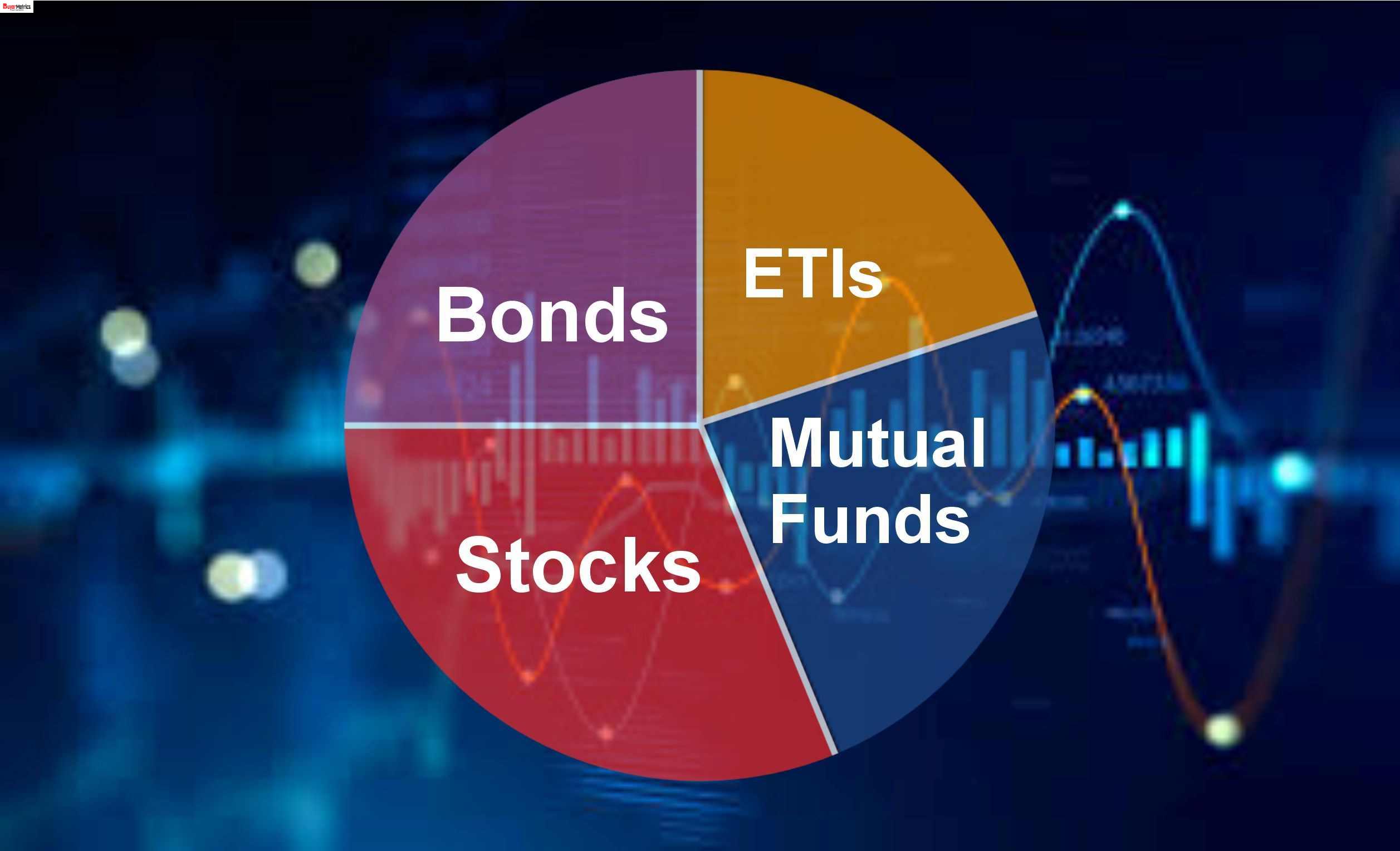
Long-term financial instruments are bought and sold at the capital market include shares (stocks), bonds, mutual funds, exchange-traded funds (ETFs), and real estate investment trusts (REITs). In Nigeria, these transactions take place mainly on the Nigerian Exchange (NGX) and related platforms. (Check below)
Why Beginners Should Consider Investing
When you invest in the capital market, you are essentially putting your money to work by lending to governments or owning a portion of businesses. Details:
- To Grow Wealth Over Time: The capital market offers an opportunity for money to grow through capital appreciation and dividends. Over time, investments in well-managed companies and funds can significantly outperform traditional savings. Simply put, investing allows money to work harder than it would on its own.
- To Beat Inflation: Investments in equities, mutual funds, and other market instruments historically provide returns that outpace inflation, helping investors preserve and increase real wealth.
- To Earn Passive Income and Build Financial Independence: Many capital market instruments generate regular income. Dividends from shares, interest from bonds, and distributions from REITs provide earnings without active labor. Over time, this creates financial security and independence.
- To Participate in Business Ownership: The capital market allows ordinary individuals to become stakeholders in banks, manufacturers, telecom firms, and other major enterprises.
- To Access Professional Management: Through mutual funds and managed portfolios, investors benefit from the expertise of professional fund managers. This makes investing accessible even to those without deep financial knowledge or time to monitor markets closely.
- To Support Economic Development: Investing in the capital market helps channel funds into productive sectors of the economy. Companies raise capital to expand, governments finance infrastructure, and jobs are created. In this way, investors contribute to national growth while pursuing personal financial goals.
- To Prepare for the Future: The capital market provides structured tools for future planning. Starting early allows investors to benefit from compounding, where returns generate further returns over time.
Start to Invest
Step 1: Set Clear Investment Goals
Before investing, you should ask yourself a simple question: Why am I investing? Defining your goal will determine how long you invest and how much risk you can take.
Some common goals include:
- Saving for retirement
- Building wealth over time
- Generating extra income
- Saving for education or major purchases
Step 2: Learn the Basic Investment Options
You need to understand the main instruments available in the capital market. Understanding key investment instruments is essential for navigating the capital market. They are:
Shares (Stocks)
Buying shares means owning a portion of a company (you become a shareholder). Stocks can provide returns through dividends and capital appreciation Share prices may rise or fall, but they offer high growth potential over time.
Bonds and Treasury Securities
These are safer investments where you lend money to the government or companies in return for fixed interest over a specified period.
Mutual Funds
These pool money from many investors and are managed by professional fund managers. They are ideal for beginners because they reduce risk through diversification.
ETFs and REITs
ETFs and REITs 0are like mutual funds but trade like stocks on an exchange. These allow investors to spread their money across sectors or invest in real estate through the stock market.
Step 3: Choose the Right Entry Point
Success in capital market participation requires developing an investment Plan. In developing an investment plan, there are three things you need to do.
- Decide how much money you will invest initially and how much you will continue to invest regularly. A common approach is to invest a fixed amount monthly, known as dollar-cost averaging.
- Determine how to distribute your investments across different asset classes (e.g., stocks, bonds, cash) based on your risk tolerance and investment goals. For example, a conservative investor might allocate more to bonds, while an aggressive investor might favor stocks.
- Spread your investments within each asset class to reduce risk. This means owning a mix of individual stocks or bonds, mutual funds, and exchange-traded funds (ETFs).
For beginners, mutual funds and blue-chip stocks are often the best starting point.
Mutual funds require little technical knowledge and can be started with as little as ₦1,000.
Blue-chip stocks are shares of large, stable companies with a history of paying dividends.
Step 4: Open the Necessary Accounts
To invest directly in the Nigerian capital market, you need:
- A stockbroking account with a licensed broker
- A CSCS account (Central Securities Clearing System), which records share ownership
For mutual funds, an account with an asset management company is sufficient.
Most of these accounts can now be opened online with basic identification documents.
Step 5: Start Investing Gradually
A common beginner’s mistake is investing all available money at once. Instead, it is wiser to invest gradually. Starting small helps beginners gain confidence and experience without exposing themselves to excessive risk.
By investing small amounts regularly, beginners:
- Reduce the risk of buying at the wrong time
- Build disciplined saving habits
- Learn from market movements without panic
Consistency is more important than timing the market.
Step 6: Monitor, but Don’t Panic
The capital market moves up and down. You should understand that short-term fluctuations are normal.
Rather than reacting emotionally to daily price changes, investors should:
- Focus on long-term performance
- Review investments periodically
- Rebalance when necessary
Patience is one of the most valuable skills in investing.
Step 7: Keep Learning
As stated before, successful investing requires continuous learning. Beginners should:
- Read financial news and company reports
- Follow trusted market analysts
- Attend investment seminars and webinars
The more informed an investor is, the better their decisions will be.
Common Mistakes Beginners Should Avoid
Investing without understanding the product: It’s crucial to understand what you’re investing in, including the business model, financial health, industry position, and market trends. Always conduct due diligence by reading financial statements, analyzing company performance, and staying updated with relevant news. Utilize resources like annual reports, analyst reports, and financial news websites.
Chasing quick profits or rumors: Fear and greed are two emotions that often drive investors to buy high and sell low, which is counterproductive. Develop a well-thought-out investment plan and stick to it, regardless of short-term market movements.
Trying to Time the Market: Attempting to predict market highs and lows is notoriously difficult, even for experienced investors. Market timing can lead to missed opportunities and increased transaction costs. Instead of trying to time the market, focus on consistent investing through strategies like dollar-cost averaging.
Putting all money into one investment: Investing too heavily in a single stock, sector, or asset class increases your risk exposure. If that investment underperforms, it can significantly impact your portfolio. Diversify your investments across various asset classes, industries, and geographies. A diversified portfolio helps mitigate risk and provides more stable returns.
Chasing Performance: Investing in the latest “hot” stock or sector based on recent performance can be tempting but is often not sustainable. Past performance is not always indicative of future results. Instead of chasing trends, focus on the fundamental value of investments. Invest in companies and assets with solid financial health, strong growth prospects, and sustainable business models.
Ignoring fees and charges: Fees and charges are costs deducted from your investment for services such as buying, selling, managing, and safeguarding your assets. They are usually taken automatically, which is why many beginners don’t notice them. Just as returns grow over time, fees also accumulate and reduce final investment value. Always ask: “What fees apply?” before investing, read offer documents and fund fact sheets, avoid unnecessary frequent trading and focus on net returns, not advertised returns
Not Seeking Professional Advice: This can hinder your investment success. While self-education is crucial, relying solely on your research without professional guidance can lead to uninformed decisions. Brokers bring expertise, objectivity, and personalized planning to help investors navigate the complexities of the capital market more effectively.
Avoiding these mistakes greatly improves long-term success.
Conclusion
Investing in the capital market is not reserved for experts or the wealthy. With basic knowledge, clear goals, and disciplined investing, beginners can gradually build wealth and financial security.
The key is to start early, start small, and stay consistent. Over time, the power of compounding and informed decision-making can turn modest investments into meaningful financial growth.