


For much of early 2026, there was a growing narrative that Nigeria’s food crisis was easing. Headline inflation softened slightly, and policymakers pointed to early signs of relief. But markets in Lagos told a different story and in the last two weeks, that reality became undeniable in observed food prices.
Food prices have begun rising again quickly and visibly. Behind this shift is a critical data signal: month-on-month food inflation swung from -6.02% to +4.69%, a dramatic reversal that typically leads retail prices by weeks. At the same time, year-on-year food inflation climbed to 12.12%, confirming that the underlying pressure never truly disappeared.
In practical terms, this is why Lagos households suddenly feel the squeeze again. The data has finally caught up with what traders already knew the cost structure of food is rising.
The Real Trigger for Food Prices Increase
The most immediate cause of the latest spike is not agricultural failure — it is energy.
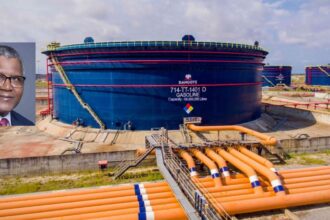
With petrol prices climbing toward ₦1,400 per litre, the cost of moving food across Nigeria has surged again. In a city like Lagos, where food is heavily transported from other regions, fuel is not just an input — it is the price driver.
Every increase in transport cost cascades across the value chain: Farm → Aggregator → Market → Consumer
The result is instant and unavoidable: higher retail prices. This is why items like beans, garri, crayfish, and vegetables have all risen in recent weeks. Not because they are scarce — but because they are more expensive to move.
Demand Shock Meets Fragile Supply
The timing of the price increase is not accidental. The Ramadan period triggered a predictable surge in food demand, as households and traders increased purchases. But this demand spike collided with already fragile supply chains, amplifying price movements.
In efficient markets, food prices fall quickly after demand peaks. Lagos does not behave that way.
Instead, prices become “sticky upward” — rising fast, but adjusting downward slowly. What began as a seasonal spike is now hardening into a structural increase.
April Will Not Reverse the Trend — It Will Reinforce It
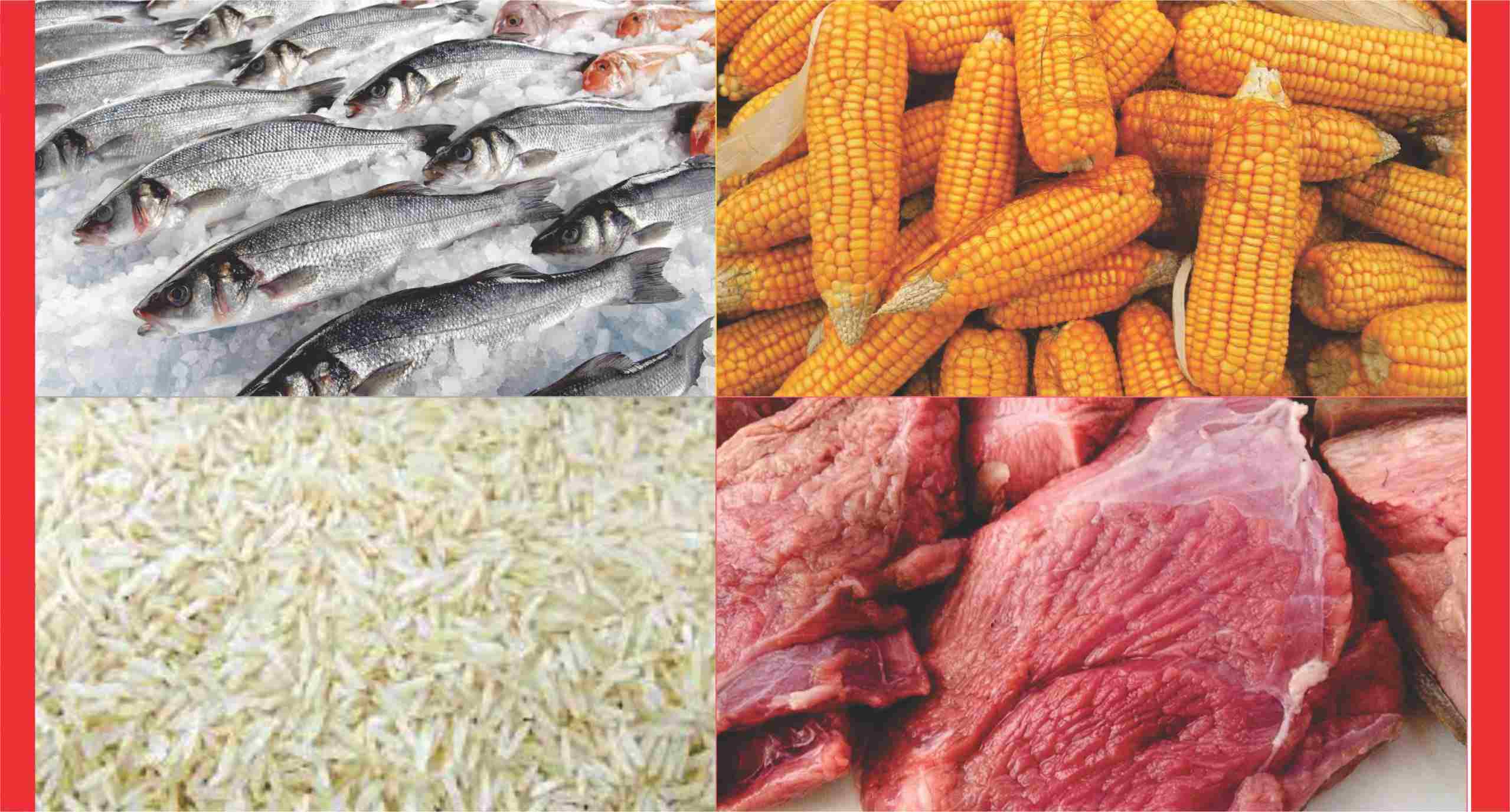
If the last two weeks were the signal, April is the stress test. Projections show that staple foods like rice, garri, and beans will rise 3–6%, proteins such as fish, meat, and eggs will increase 4–8% while perishables like tomatoes and pepper could see 5–15% volatility
This is not a supply collapse it is a cost-driven escalation.
Related – Shrinkflation In Nigeria’s Sachet Products: The Silent Tax On The Poor
Three forces will define April:
First, fuel prices remain elevated, sustaining pressure on transport and logistics. Second, post-Ramadan demand effects will keep prices artificially high. Third, Nigeria is entering the early phase of the lean season, when supply begins to tighten before the next harvest cycle.
For Lagos, these pressures are amplified. The city’s dependence on inbound food logistics means national inflation trends often understate what consumers actually experience.
The Structural Problem Lagos Cannot Escape
Even when national indicators improve, Lagos remains structurally exposed. The city combines high logistics costs, multiple layers of intermediaries and expensive port and distribution systems
This creates a persistent pricing premium. When inflation rises nationally, Lagos experiences it more intensely. When inflation slows, Lagos adjusts more slowly.
This asymmetry is why consumers feel continuous pressure, even during periods officially described as “stable.”
BuyerMetrics Bottom Line
The last two weeks are not a temporary spike — they mark the start of a second inflation cycle. What looks like a mild uptick is, in reality, a structural reset quietly unfolding across Lagos food markets.
The earlier decline in food prices was never a true correction. It was a brief easing within an already high-cost system — a pause, not a reversal. That system has now reasserted itself, and April will validate this shift.
What comes next is not a dramatic surge, but something more persistent and consequential:
a steady repricing of food at a higher floor.
Lagos is not entering a phase of runaway inflation, but neither is it experiencing relief. Instead, the market is settling into a pattern of continuous upward drift, driven by fuel costs, logistics pressures, and structural inefficiencies.
For households, the implication is clear and unavoidable: the food basket is rising again — and this time, the decline many expected may not come anytime soon.