FAO Director-General Dongyu Qu, speaking at the 181st Session of the FAO Council, said disruptions around the strategic waterway are exposing vulnerabilities in global agricultural supply chains, particularly for fertilizers and other critical farm inputs.
The warning comes as the Hormuz crisis reaches its 100-day mark, with its effects increasingly being felt across agricultural markets in Asia, Africa, and Latin America.
Why Hormuz Matters to Global Agriculture
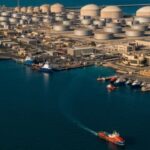
The Strait of Hormuz is one of the world’s most important trade chokepoints, serving as a major transit route for energy products and agricultural inputs.
According to the FAO, approximately:
- 35% of global crude oil shipments pass through the strait.
- 20% of liquefied natural gas trade moves through the corridor.
- Between 20% and 30% of global fertilizer exports transit the route.
- Around 50% of global sulfur exports pass through the strait.
Sulfur is a critical raw material used in fertilizer production, making the region particularly important for global agricultural supply chains.
“The greatest risk was not an immediate food shortage, but a fertilizer and production shock,” Qu said.
Farmers Face Rising Fertilizer Costs
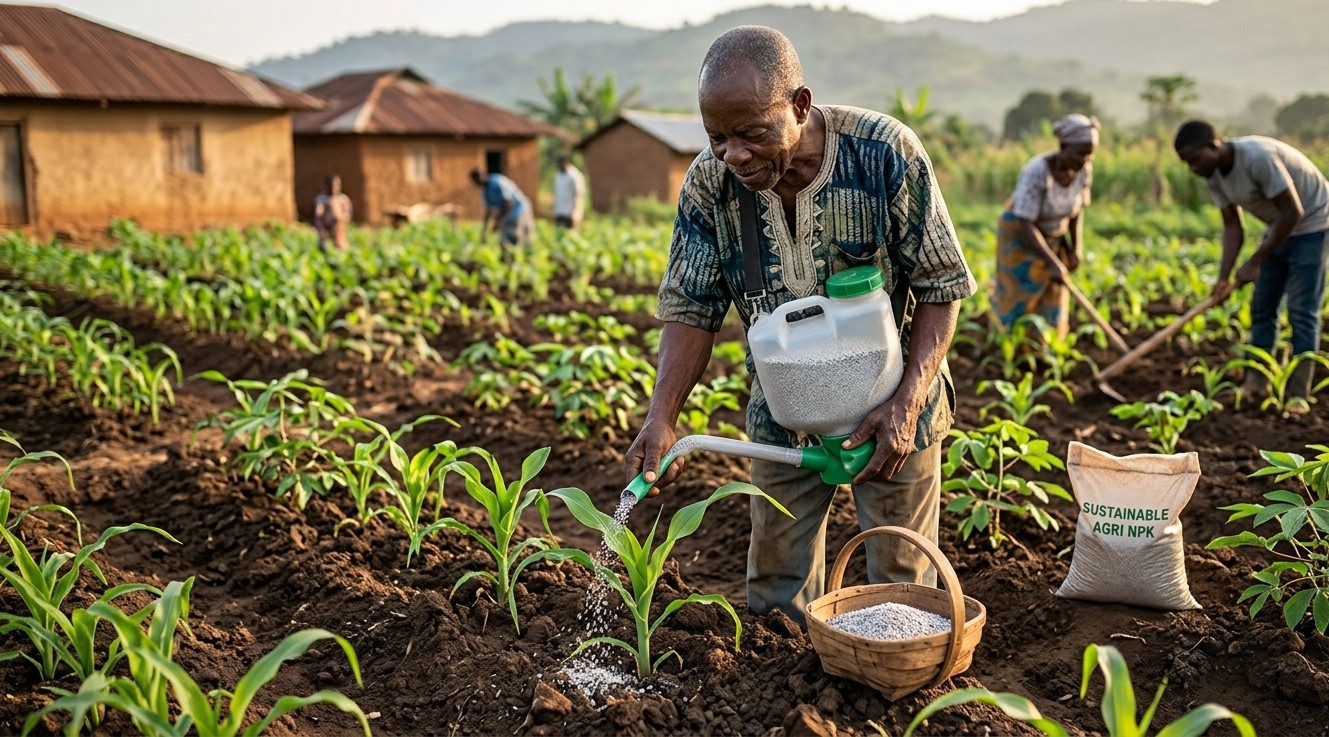
As uncertainty persists, farmers in several developing regions are already facing higher production costs and difficult planting decisions.
The market impact is already becoming visible. Global fertilizer prices have moved sharply higher since the Hormuz crisis began, with urea prices rising by more than 50% in some major agricultural markets, while phosphate fertilizer prices have also recorded double-digit increases. Global benchmark urea prices are currently trading around $400 – $420 per metric tons, reflecting growing concerns about supply disruptions and higher energy costs.
Rising fertilizer prices can force farmers to reduce application rates, switch crops, or cut back on cultivated acreage altogether. Such decisions often result in lower yields and reduced food output months later.
For countries that rely heavily on imported fertilizers, prolonged supply disruptions could translate into higher food inflation and increased pressure on household budgets.
The risks are particularly significant for developing economies where fertilizer costs already represent a substantial share of farm operating expenses.
FAO Pushes Fertilizer Efficiency Measures
In response, the FAO has launched a package of immediate, medium-term, and long-term recommendations aimed at reducing vulnerability to fertilizer supply disruptions.
Among the initiatives is a stronger focus on improving fertilizer-use efficiency through soil mapping and precision agriculture technologies.
The organization is also promoting intercropping systems that can reduce dependence on nitrogen-based fertilizers while maintaining productivity.
In addition, the FAO is supporting the development of innovation funds for alternative fertilizer solutions, including green ammonia and biofertilizers, as part of broader efforts to diversify global fertilizer sources.
Weather Risks Could Compound the Problem
The fertilizer challenge may be further complicated by climate-related risks.
The FAO warned that El Niño-related weather disruptions later this year could threaten agricultural production in countries already facing severe food insecurity.
Related
- Cocoa Leads Nigeria’s Top 10 Agricultural Export Earners In Q1 2026
- Cashew Prices Stay Firm As Global Buyers Rebuild Inventories; Processed Kernels Trade Above $8,000/Tonne
A combination of higher fertilizer costs, disrupted supply chains, and adverse weather conditions could create a difficult operating environment for farmers and policymakers alike.
What It Means for Nigeria
For Nigeria, the warning highlights the country’s continued exposure to global fertilizer and energy markets despite progress in local fertilizer production.
While domestic blending capacity has expanded in recent years, Nigerian agriculture still depends on stable access to imported raw materials and affordable energy supplies. Any sustained increase in global fertilizer prices could raise production costs for farmers, particularly those cultivating maize, rice, wheat, and other staple crops.
The impact could eventually feed into food inflation, a key concern for policymakers already battling elevated living costs.
BuyerMetrics Bottom Line
The FAO’s warning suggests that the biggest agricultural risk from the Hormuz crisis may emerge months after the headlines fade. Food shortages rarely begin with empty shelves; they often start with higher fertilizer costs, reduced farm inputs, and lower planting decisions. With up to 30% of global fertilizer exports and half of global sulfur exports passing through the Strait of Hormuz, prolonged disruptions could create a production shock that ultimately pushes food prices higher across developing economies, including Nigeria.