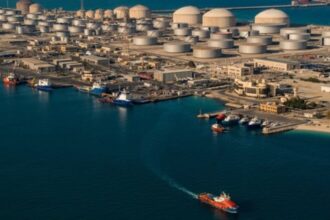



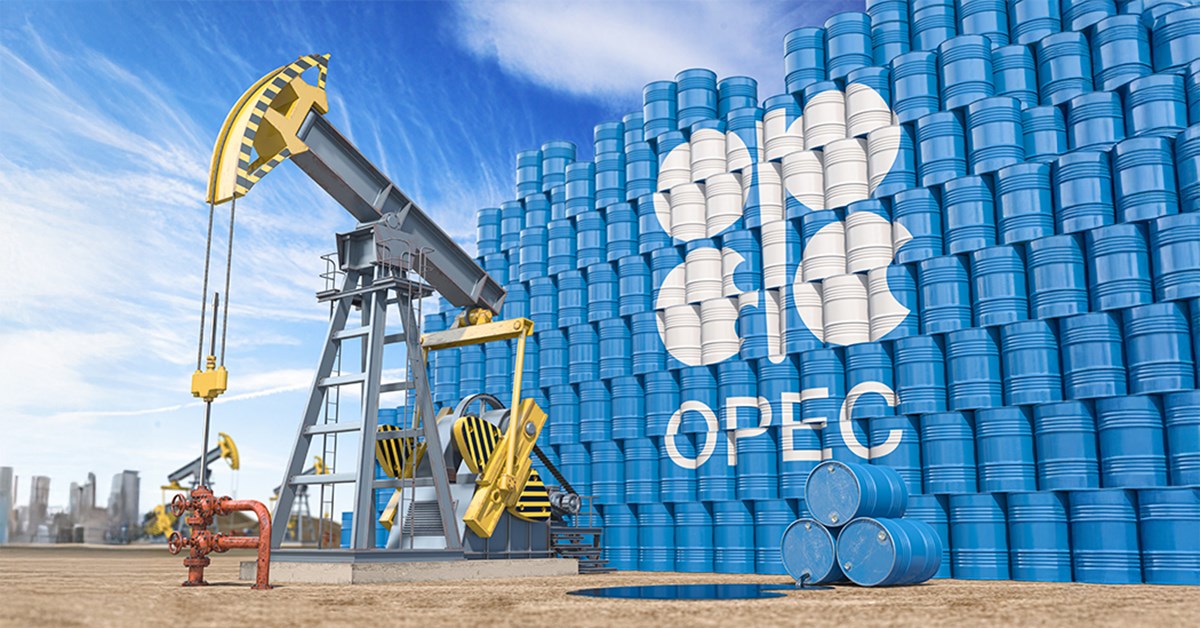
Eight OPEC+ nations plan to raise oil production by 137,000 barrels per day in December 2025. This decision emerges ahead of their virtual meeting on Sunday, November 2.
Saudi Arabia leads the push to regain market share. The group has already increased targets by over 2.7 million bpd since starting monthly hikes.
Price Reaction on Monday
Brent crude closed down 32 cents, or 0.5 percent, at $65.62 per barrel on October 27, 2025. US West Texas Intermediate (WTI) fell 19 cents, or 0.3 percent, to $61.31.
Markets weighed this against US-China trade hopes and fresh Russia sanctions.
The wider OPEC+ alliance includes 22 members, such as Nigeria, producing half of global oil. Cumulative cuts once reached 5.85 million bpd.
This latest hike offsets about half those reductions. Persistent oversupply fears dominate trader sentiment.
External Factors at Play
US President Donald Trump and China’s Xi Jinping meet Thursday to discuss pausing tariffs and export curbs. US sanctions hit Russian oil firms last Wednesday, potentially curbing exports.
IEA Executive Director Fatih Birol expects US production growth to cap prices short-term.
Impact
For Nigerians, every dollar drop in Brent crude tightens the noose on government revenue. Nigeria budgets oil at $75 per barrel for 2025, yet prices hover $10 below that mark.
This gap could slash projected N28.7 trillion federation earnings by N2-3 trillion if sustained, per Budget Office estimates. States like Bayelsa and Rivers, reliant on 13 percent derivation, face delayed salaries for teachers and health workers.
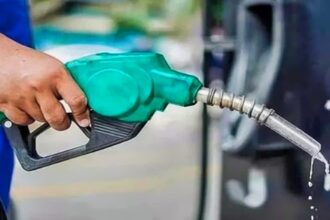
Fuel queues may resurface if subsidies creep back amid naira pressure at N1,680 per dollar. A Lagos driver spending N15,000 weekly on petrol feels the pinch directly, as lower global prices rarely translate to pumps without policy shifts.
Youth in the Niger Delta, eyeing jobs from higher output, see mixed signals. More barrels mean potential rigs, but revenue shortfalls stall community projects. Oversupply keeps inflation in check globally but erodes Nigeria’s FX reserves, now at $39 billion, limiting imports for rice or medicine.
If You Ask Me
OPEC+’s incremental hikes reveal a delicate balance Saudi Arabia force upon the cartel. Nigeria, producing 1.4 million bpd against a 1.8 million quota, gains little from this flood.
I view it as short-term market share greed clashing with long-term stability needs. For a country like ours, where oil funds 70 percent of exports, $65 Brent is a warning light, not a dip to ignore.
Relatable to any Abuja civil servant awaiting FAAC allocations, these risks stalling the Renewed Hope Agenda’s infrastructure push. Birol’s US supply forecast rings true; American shale at 13.5 million bpd caps upside.
Yet, Trump-Xi talks could spark demand if tariffs ease, lifting prices 5-10 percent. Nigeria must hedge smarter, perhaps via forward contracts or diversifying to gas, where LNG exports hit $8 billion in 2024.
The real opinion here: we cannot keep betting the farm on volatile barrels while youth gamble on crypto. Structured reforms, like SEC’s capital market push, offer a parallel path.
Background
OPEC+ began voluntary cuts in 2022 amid post-COVID recovery, peaking at 5.85 million bpd by 2023. Nigeria struggled with quotas due to theft and aging fields, averaging 1.35 million bpd in September 2025 per NNPC data.
The 2025 budget assumes 1.78 million bpd at $75, funding N9.2 trillion for capital projects. Brent averaged $78 year-to-date but dipped below $70 in October on demand worries.
Russia sanctions target Rosneft and Gazprom, potentially removing 500,000 bpd if enforced. US production hit a record 13.4 million bpd in Q3 2025, per EIA.
Potential outcomes: sustained $60-65 Brent could force budget revisions, delaying Eastern Rail or school feeding programs. Conversely, Middle East tensions or winter demand might push prices to $80 by Q1 2026, easing pressures.