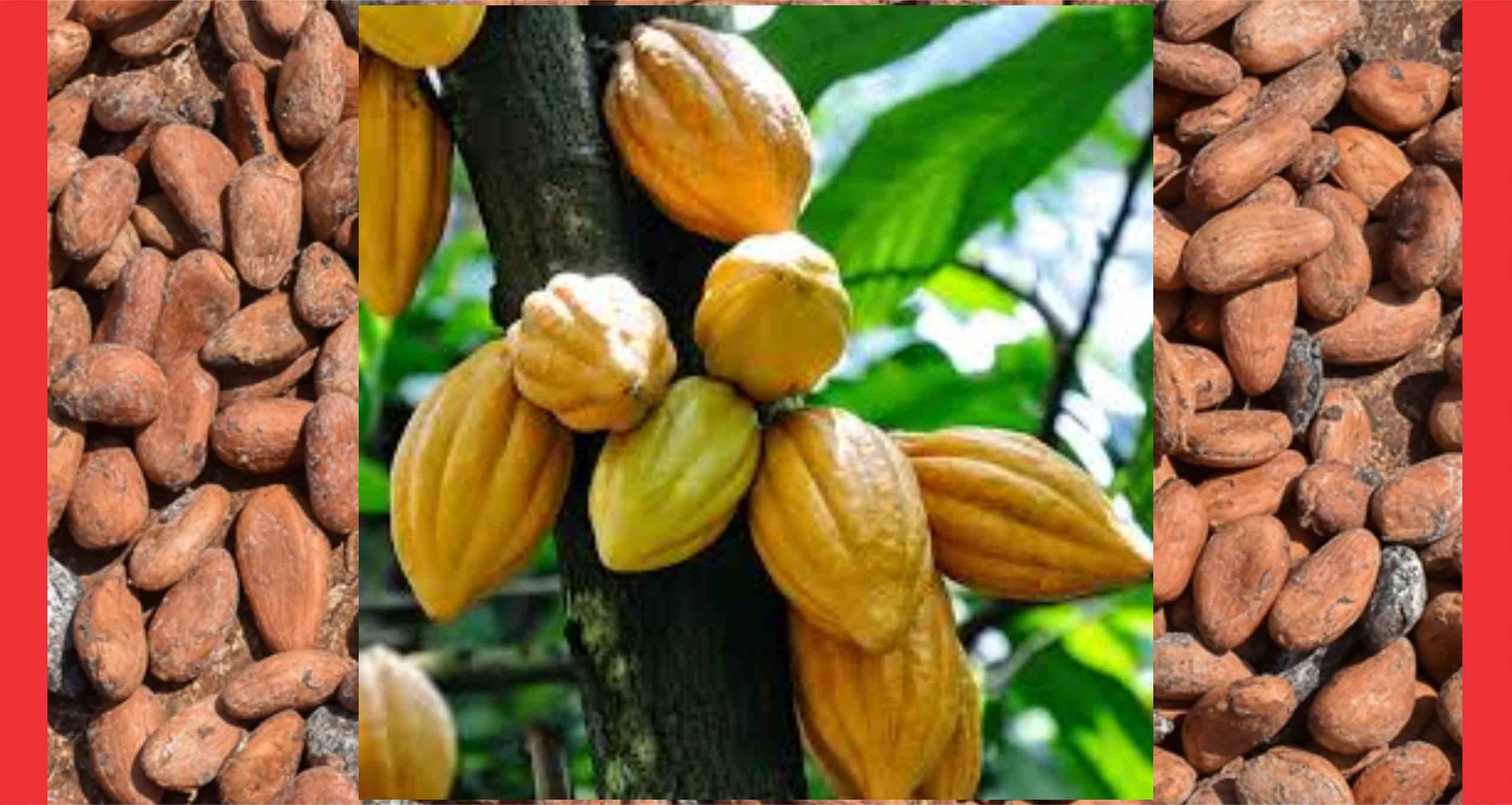
Cocoa prices have undergone a dramatic reversal over the past year, falling from GBP10,260 in April 2025 to GBP2,731 by February 2026 representing a steep decline of roughly 73%. This collapse marks the unwinding of a supply-driven rally that had initially boosted export earnings across major producing countries such as Côte d’Ivoire, Ghana, and Nigeria.
At the peak of the rally, these economies benefited from stronger foreign exchange inflows and improved fiscal positions, as cocoa exports became significantly more valuable. However, the rapid correction has reversed much of these gains. Governments that leaned on cocoa windfalls are now facing tighter fiscal conditions, declining export revenues, and renewed pressure on currency stability, particularly in economies where cocoa plays a central role in public finance.
Farmer Income Shock and Structural Risks
Beyond government finances, the price volatility has had a deeper impact at the farm level. Many cocoa farmers did not fully capture the benefits of the 2025 price spike due to regulated pricing systems or delayed transmission mechanisms, yet they are now exposed to the downside of falling global prices. This imbalance is compressing incomes and weakening incentives to reinvest in production.
As earnings decline, farmers are reducing spending on inputs such as fertilizers and labor, creating risks for future yields and supply consistency. In more market-exposed systems like Nigeria, the transmission of global price movements is faster, amplifying both gains and losses. This raises concerns about productivity, sustainability, and long-term sector resilience across the region.
April 2026 Cocoa Rebound Signals Market Rebalancing
Recent price movements suggest the beginning of a stabilization phase. Cocoa prices rose to GBP3,100 on April 7, 2026, and further to GBP3,260 by April 10, 2026, representing a modest recovery of about 19% from the February low. While still far below 2025 highs, this rebound indicates renewed buying interest and a gradual return to more balanced market conditions.
Related – How Nigerian Cocoa Exporters Turn ₦100 Million Into ₦20 Billion Export Businesses
For producing countries, this shift points to improving demand at lower price levels and the potential for increased export volumes. However, the recovery is not strong enough to restore the windfall conditions of 2025. Instead, it reflects a transitional phase where both buyers and producers are recalibrating expectations.
BuyerMetrics Bottom Line
The cocoa market is moving from extreme volatility into cautious normalization, but the implications for producing countries are structural. The 2025 price surge created temporary windfalls, while the 2026 correction has exposed underlying vulnerabilities tied to dependence on raw commodity exports.
For countries like Nigeria, Ghana, and Côte d’Ivoire, the current phase is less about price recovery and more about strategic repositioning. The priority now is to build resilience through value addition, stronger pricing mechanisms, and improved farmer support systems. The early April rebound is not a return to boom conditions, it is a reset that will define the next phase of competitiveness in the global cocoa economy.