






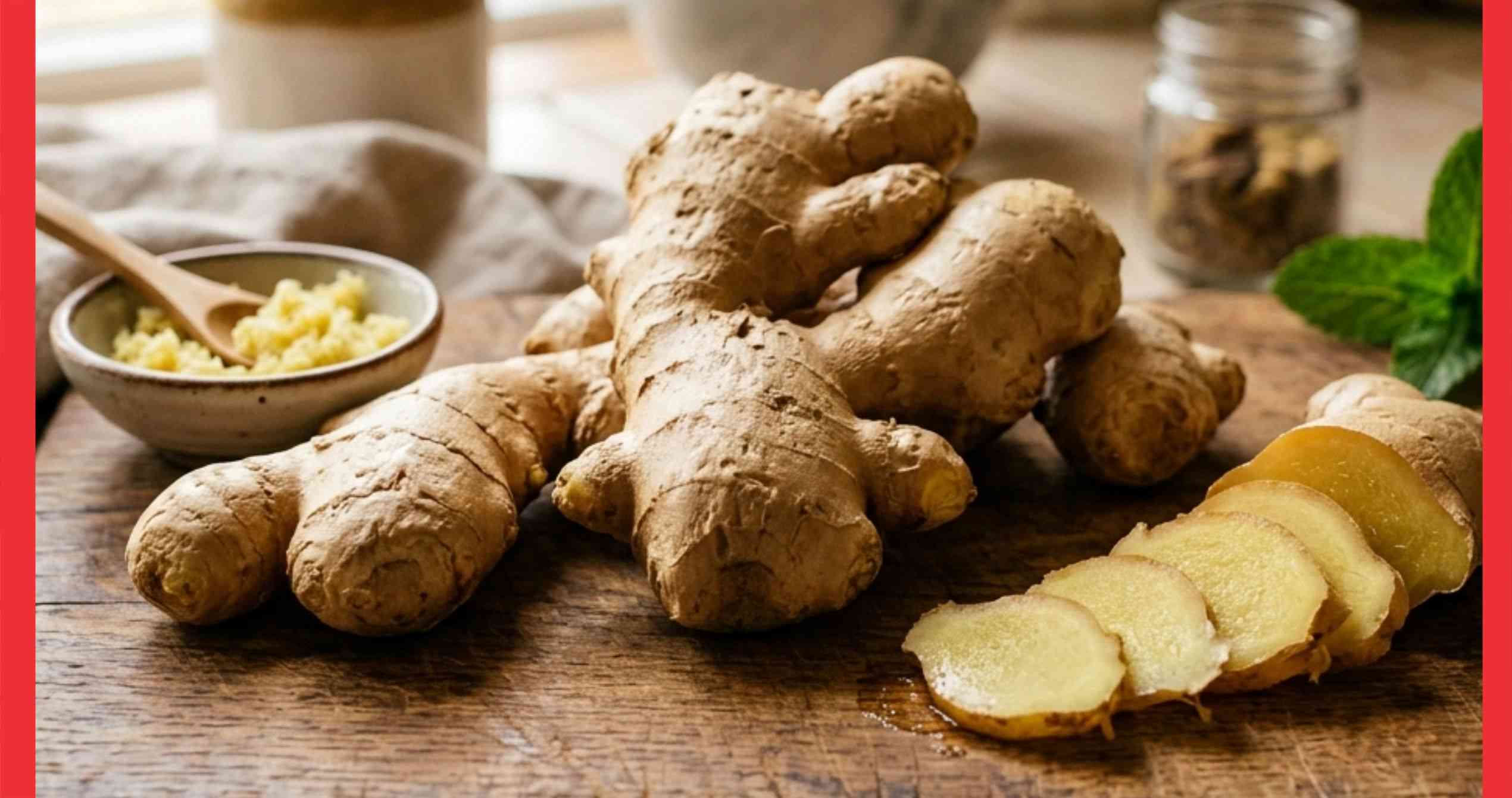
Nigeria’s fresh ginger market has reached record territory, with a bag now selling for as much as ₦500,000 as a global supply crunch, insecurity in farming communities and rising transportation costs tighten supplies from farms to retail markets.
The price rally comes as the global ginger market experiences severe supply shortages across major producing regions in Africa and tightening availability in Asian trading hubs. Strong export demand is also intensifying competition for available supplies, pushing prices sharply higher in both domestic and international markets.
The impact is already being felt by consumers. BuyerMetrics market checks show that a paint bucket of fresh ginger now sells for between ₦40,000 and ₦46,000, while some retailers have resorted to selling two small pieces for ₦500 as soaring prices make bulk purchases increasingly unaffordable for many households.
Supply Crisis Pushes Prices to Record High
Traders attribute the current rally to a combination of domestic and international factors.
In Nigeria, insecurity in several rural farming communities has disrupted harvesting activities and slowed the movement of produce to major aggregation centres. At the same time, rising transportation costs, poor road infrastructure and higher logistics expenses have significantly reduced market arrivals.
The result is a market where buyers are competing aggressively for limited supplies, driving wholesale prices to unprecedented levels.
According to market participants, the shortage has become more severe in recent weeks as fresh supplies entering major markets continue to decline.
Global Ginger Market Tightens
Nigeria’s price surge reflects broader developments in the international ginger market.
In India, one of the world’s largest ginger producers and consumers, wholesale market (mandi) data recorded a 21.58% increase in green ginger prices during a single recent trading session. The average trading price rose to about US$187.68 per 100 kilograms, equivalent to approximately US$1,876.80 per metric ton.
Trading during the session ranged from US$79.26 per 100 kilograms, or US$792.60 per metric ton, to a high of US$264.19 per 100 kilograms, equivalent to US$2,641.90 per metric ton.
The sharp rise in average prices points to aggressive procurement by buyers amid tightening supplies, reinforcing expectations of continued firmness in the global ginger market.
The bullish sentiment extends beyond Asia. Across West Africa, exporters and international buyers are scrambling to secure dry ginger shipments as export demand continues to outpace available supplies. Traders holding inventories are reportedly securing significant margins as export corridors struggle to meet overseas orders.
The convergence of tightening supplies in Africa and Asia suggests the current rally is not a temporary local shortage but part of a broader global supply squeeze.
Export Demand Meets Domestic Constraints
Nigeria is one of Africa’s leading ginger producers and exporters, making developments in international markets particularly important for local prices.
As overseas buyers compete more aggressively for available supplies, exporters are increasing procurement in producing states, adding pressure to an already constrained domestic market.
At the same time, insecurity, reduced farm output and rising transportation costs continue to restrict supplies reaching urban wholesale markets.
The combination has created one of the tightest ginger markets seen in recent years.
Consumers Feel the Impact
The sharp increase in wholesale prices is filtering through the retail market.
Many households that previously purchased ginger by the paint bucket are now buying only small quantities for immediate consumption.
Food vendors, spice processors, beverage producers and restaurants are also facing significantly higher input costs, raising concerns that the price surge could contribute to broader food inflation if supplies remain constrained.
Market Outlook
Market participants expect ginger prices to remain elevated in the near term unless fresh supplies improve substantially.
Key factors to watch include:
- Security conditions in major ginger-producing communities.
- Transportation and logistics costs.
- Export demand from Asia, Europe and the Middle East.
- Supply conditions across West Africa.
- The arrival of fresh harvests in major producing regions.
Any further tightening in international markets could sustain upward pressure on Nigerian prices, while improved domestic supply and better logistics could help moderate the rally later in the season.
BuyerMetrics Bottom Line
Nigeria’s ginger market is no longer responding solely to local conditions. It is being shaped by a combination of global demand, regional supply shortages and domestic structural challenges.
With fresh ginger selling for up to ₦500,000 per bag, paint buckets priced between ₦40,000 and ₦46,000, and retailers selling two small pieces for ₦500, the market has entered record territory.
The 21.58% surge in Indian wholesale prices and tightening export supplies across West Africa suggest the current rally has become part of a wider global commodity story. Unless security improves in producing areas and market supplies recover, exporters, processors and consumers should prepare for continued price volatility in the weeks ahead.