


The escalation of the 2026 Middle East Gulf crisis is beginning to transmit clear economic effects across Africa and the Caribbean. For many economies, the issue is not just higher prices; it is access to critical imports and pressure on foreign exchange.
In response, the African Export-Import Bank, Afreximbank on Tuesday, announced the approval of a $10 billion Gulf Crisis Response Programme (GCRP). The programme is structured to stabilize near-term disruptions while supporting adjustments that reduce vulnerability over time.
Stabilizing Essential Imports by Afreximbank
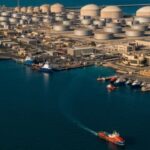
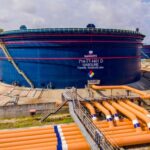
The immediate priority is maintaining access to critical goods. With disruptions affecting flows through key routes like the Strait of Hormuz, import-dependent economies are facing tighter supply conditions for fuel, LNG, fertiliser, food, and pharmaceuticals.
GCRP addresses this through short-term foreign exchange and liquidity support. The goal is to help countries and corporates continue sourcing essential imports without severe dislocations in domestic markets.
This is primarily a stabilisation measure aimed at preventing supply gaps and limiting inflationary pressure.
Supporting Export Opportunities Where They Exist
At the same time, the programme recognizes that some African economies may benefit from shifting global trade flows.
Higher commodity prices and rerouted supply chains create opportunities for exporters of energy and minerals. GCRP provides financing tools such as pre-export facilities and working capital to help scale output and meet demand.
The emphasis here is practical: enabling producers who are already positioned to respond more effectively.
Providing Relief to Exposed Sectors
Tourism and aviation are also affected, particularly in economies where these sectors contribute significantly to foreign exchange earnings.
Related – 7 Reasons Why Standard Chartered Is Preferred For Capital Importation To Nigeria
The programme includes short-term support for countries experiencing reduced travel flows linked to the crisis. This helps ease pressure on balance of payments and supports continuity in these sectors.
Building Medium-Term Resilience
Beyond immediate support, part of GCRP is directed at strengthening structural resilience. This includes financing to expand productive capacity in energy and minerals, as well as support for infrastructure projects in ports, logistics, and energy systems that may have been delayed by the crisis.
The intention is to reduce future exposure to similar external shocks by improving domestic and regional capacity.
A Continuation of Afreximbank’s Crisis Response Approach
This programme follows a pattern established by Afreximbank in previous global disruptions, including the COVID-19 pandemic and the Russia-Ukraine war.
In those instances, the bank deployed targeted financing programmes to support trade flows, provide liquidity, and maintain access to essential goods. GCRP builds on that approach, with a similar focus on speed and scale.
Coordinated Regional Engagement
Afreximbank is also working with institutions such as the African Union Commission, African Continental Free Trade Area Secretariat, United Nations Economic Commission for Africa, and Caribbean Community to align responses across countries.
This coordination is intended to support energy security, trade continuity, and supply chain adjustments at a regional level.
BuyerMetrics Bottom Line
The $10 billion GCRP is primarily a stabilization tool, with a secondary focus on positioning.
In the short term, it helps countries manage import pressures and liquidity constraints. Over the medium term, it supports incremental shifts toward stronger production capacity and more resilient trade structures.
The outcome will depend less on the size of the facility and more on how effectively it is deployed to maintain continuity today while enabling adjustment for tomorrow.