




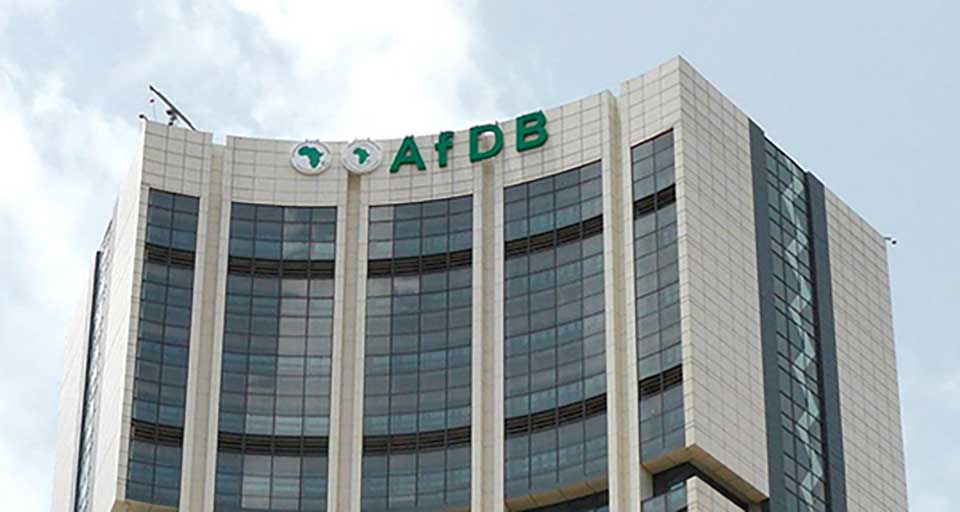
The African Development Bank (AfDB) is taking a major step to tackle one of Africa’s biggest economic challenges: the shortage of long-term investment capital.
The Bank has announced plans to inject $125 million into the African Trade and Investment Development Insurance (ATIDI), a Nairobi-based institution that provides guarantees and political risk insurance to investors operating across Africa. The move will increase AfDB’s stake in ATIDI from 3% to 14%, making it the agency’s largest shareholder.
The investment is more than a routine capital increase. It forms part of a broader strategy by AfDB President, Sidi Ould Tah, to mobilize African capital and reduce the risks that often discourage private investors from financing projects across the continent.
Why This Matters
Africa faces an estimated $400 billion annual financing gap for infrastructure, industrialization, energy, transport and other development priorities. At the same time, development assistance from wealthy countries has been declining, creating pressure on African institutions to find alternative sources of funding.
AfDB believes that Africa already possesses significant untapped capital in pension funds, sovereign wealth funds, insurance assets and savings schemes. The challenge has been creating mechanisms that can reduce risk sufficiently to attract these funds into productive investments.
That is where ATIDI comes in.
Established 25 years ago, ATIDI helps de-risk investments through political risk insurance, trade credit guarantees and other financial instruments designed to protect investors against uncertainties that can arise in emerging markets. The institution is currently owned by 24 African countries alongside several institutional investors.
AfDB’s Bigger Ambition
According to AfDB, the objective is not simply to expand ATIDI’s balance sheet but to significantly increase the volume of guarantees available to support private investment.
The Bank wants ATIDI’s annual guarantee capacity to rise from around $3 billion to approximately $10 billion. Such an expansion could help unlock financing for infrastructure, energy, manufacturing, logistics and transport projects across the continent.
Related
- Universal Insurance Opens ₦3.2 Billion Rights Issue As Nigerian Insurers Accelerate Capital Push On NGX
- Why Nigerian Investors Are Choosing Treasury Bills Over Stocks
The initiative is part of AfDB’s new financing framework known as the New African Financial Architecture for Development (NAFAD), which seeks to mobilize an estimated $4 trillion in African institutional capital that remains fragmented and underutilized.
What It Means for Nigeria
For Nigeria, the implications could be significant.
The country continues to face substantial infrastructure financing needs across transportation, energy, logistics and industrial development. Access to enhanced risk guarantees could make major projects more attractive to private investors and international financiers.
Sectors that could benefit include power generation, renewable energy, transport corridors, agro-processing, manufacturing, export infrastructure and logistics facilities.
The initiative also aligns with broader efforts to attract more private-sector participation in projects that governments alone cannot finance.
As Africa’s largest economy and AfDB’s biggest shareholder, Nigeria stands to benefit if the Bank succeeds in lowering investment risks and attracting larger pools of capital into commercially viable projects.
BuyerMetrics Bottom Line
Africa’s challenge is no longer simply a lack of capital. Increasingly, it is a lack of mechanisms that can convert available capital into bankable investments.
By becoming the largest shareholder in ATIDI, AfDB is betting that guarantees and risk-sharing instruments can unlock billions of dollars that are currently sitting on the sidelines.
If successful, the initiative could become one of the most important financial market developments in Africa this year, helping to channel private capital into infrastructure, manufacturing, trade and energy projects that are essential for long-term economic growth.
For investors, businesses and policymakers, the message is clear: Africa’s next development push may be driven less by aid and more by innovative financial structures designed to make investment less risky and more attractive.