







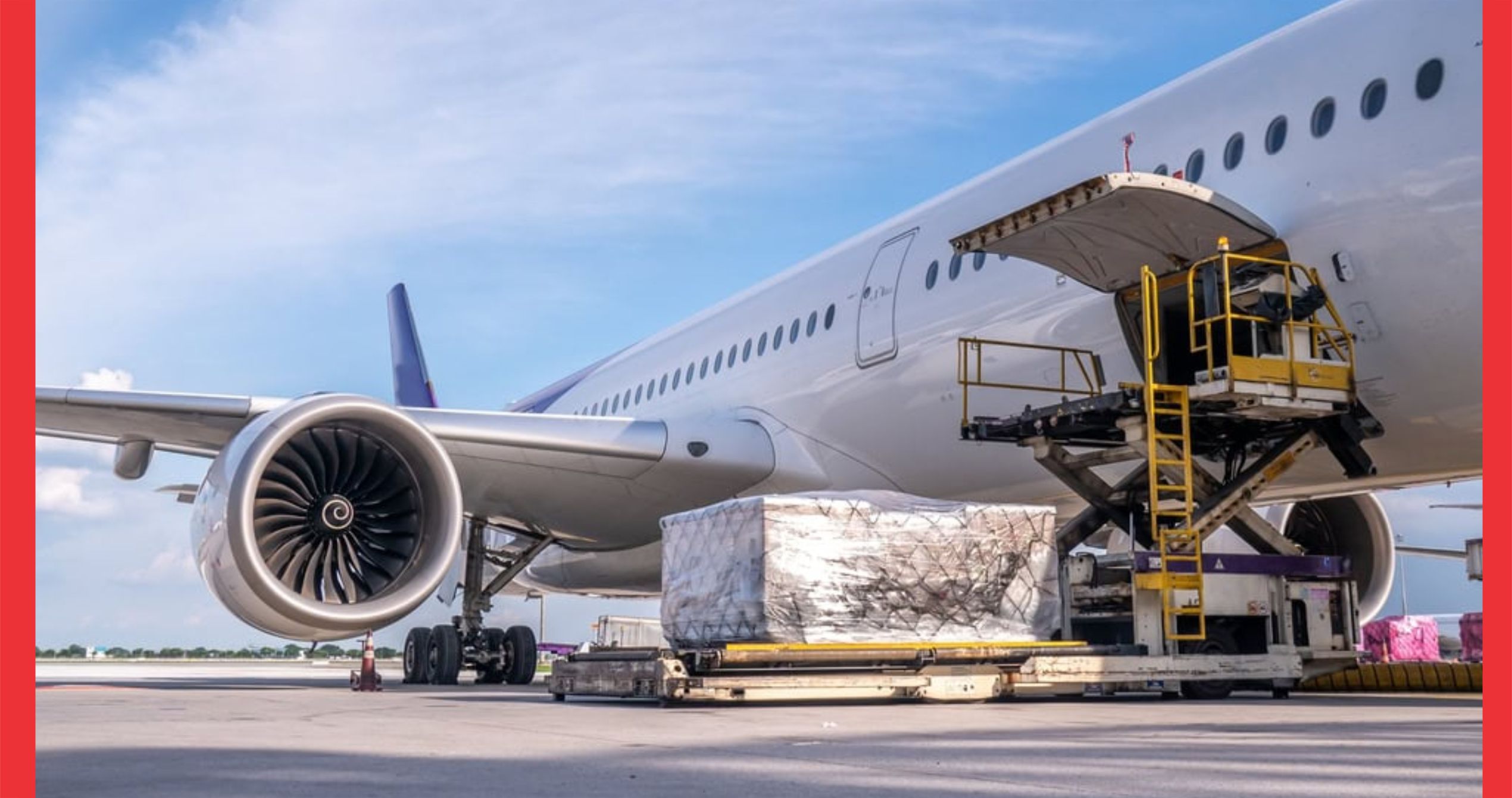
African airlines recorded a 7.7% year-on-year increase in air cargo demand in April 2026, extending a strong growth streak that has positioned the continent among the strongest-performing cargo aviation markets globally.
The latest figures, released by the International Air Transport Association (IATA), showed African carriers continuing to outperform several major global regions despite mounting capacity pressures and geopolitical disruptions affecting international trade routes.
According to the April 2026 global air cargo market report, available cargo capacity for African airlines declined by 9.4% year-on-year even as freight demand accelerated sharply, highlighting tightening space availability across the continent’s aviation logistics market.
The widening gap between cargo demand and available freight space is expected to place upward pressure on air freight rates across major African export corridors in the second half of 2026, particularly on Asia-bound trade routes.
“African airlines saw a 7.7% year-on-year increase in demand for air cargo in April. Capacity decreased by 9.4% year-on-year,” IATA stated.
Africa-Asia Trade Corridor Drives Cargo Expansion
The latest data reinforces Africa’s growing strategic role in global freight logistics, particularly as trade volumes between Africa and Asia continue to accelerate.
While global air cargo demand rose by 4.0% in April 2026, African carriers significantly outperformed the global average, supported by stronger export activity, manufacturing-linked shipments, e-commerce logistics growth, and rising industrial trade flows with Asia.
IATA identified the Africa-Asia corridor as one of the fastest-growing trade lanes globally, outperforming several traditional cargo routes amid resilient manufacturing demand from Asian economies.
Industry analysts say African airlines are increasingly benefiting from shifting global supply chains as exporters seek alternative sourcing and logistics corridors outside heavily congested traditional trade hubs.
Major African cargo gateways including Lagos, Addis Ababa, Nairobi, and Johannesburg are also gaining strategic relevance as airlines expand regional cargo connectivity and transit operations.
Capacity Pressure Signals Emerging Supply Bottlenecks
Despite strong demand growth, the sharp decline in available cargo capacity points to mounting operational constraints within Africa’s aviation sector.
Analysts say fleet limitations, aircraft shortages, high leasing costs, airport infrastructure gaps, and supply-chain disruptions may be restricting the ability of African airlines to fully capitalize on surging cargo demand.
The pressure is especially significant for time-sensitive exports such as perishables, pharmaceuticals, electronics, and high-value industrial shipments moving between Africa and Asia.
Related – How Caverton Built One Of Nigeria’s Largest Offshore Aviation And Marine Logistics Companies
For exporters and freight forwarders, tighter cargo space could translate into rising shipping costs and longer booking lead times if airlines fail to expand available lift capacity fast enough.
At the same time, stronger freight yields could improve non-passenger revenues for African airlines, many of which are increasingly relying on cargo operations to offset volatility in passenger travel markets.
Global Cargo Market Shows Diverging Regional Trends
Cargo performance across global regions remained uneven in April 2026 as airlines navigated higher oil prices, geopolitical instability, and changing global trade flows.
Asia-Pacific airlines led global cargo expansion with a 10.5% increase in demand and a 5.3% rise in capacity, supported by strong manufacturing output and export activity.
European carriers recorded a 6.0% increase in demand alongside a 3.0% rise in capacity, while North American airlines posted a 5.0% increase in cargo demand with capacity rising by 1.2%.
In contrast, Middle Eastern airlines recorded the steepest decline globally, with demand plunging by 18.2% and capacity dropping by 22.9% due to ongoing regional conflict that disrupted major cargo hubs and transit corridors.
Latin American and Caribbean airlines also posted weaker performance, recording a 2.8% decline in demand despite a modest 1.2% increase in available capacity.
African Cargo Growth Momentum Extends Into 2026
African airlines have maintained one of the aviation industry’s strongest cargo growth trajectories since late 2025.
In March 2026, African carriers led global cargo growth with a 7.0% year-on-year increase in demand even as global cargo demand declined by 4.8%.
The strongest acceleration came in February 2026, when cargo demand surged by 21%, driven largely by a massive 61.9% expansion in Africa-Asia trade lane activity.
In January 2026, demand increased by 18.2%, while Africa-Asia traffic expanded by 41.6%, further cementing the corridor’s growing strategic importance.
The momentum had already emerged in late 2025. African air cargo demand rose by 10.1% in December 2025 alongside a 9.8% increase in capacity, signaling gradual network expansion by carriers across the continent.
Earlier, in November 2025, cargo volumes climbed by 15.6% while capacity increased by 18.1% as airlines scaled operations in response to strengthening freight demand.
What African Airlines Must Do Next
The latest IATA figures suggest Africa’s cargo boom could become a long-term structural growth opportunity if airlines and governments address critical infrastructure and fleet constraints.
Industry stakeholders say expanding dedicated cargo fleets, modernizing airport cargo terminals, improving customs efficiency, and strengthening regional trade integration will be essential for sustaining momentum.
Cargo digitization, cold-chain logistics investment, and deeper partnerships with Asian logistics operators could also help African carriers capture a larger share of global freight flows.
For governments, improving aviation infrastructure around major commercial hubs such as Lagos, Nairobi, Addis Ababa, and Johannesburg may become increasingly important as global trade patterns continue shifting toward emerging markets.
BuyerMetrics Bottom Line
Africa’s cargo aviation market is evolving from a secondary logistics corridor into one of the fastest-growing freight markets in global aviation.
The continent’s expanding trade relationship with Asia is creating sustained demand for faster air freight connectivity, but tightening capacity threatens to become the industry’s biggest growth constraint.
Airlines that expand cargo fleets early, secure strategic Asia-linked routes, and invest aggressively in logistics infrastructure could emerge as dominant players in Africa’s next aviation growth cycle.