







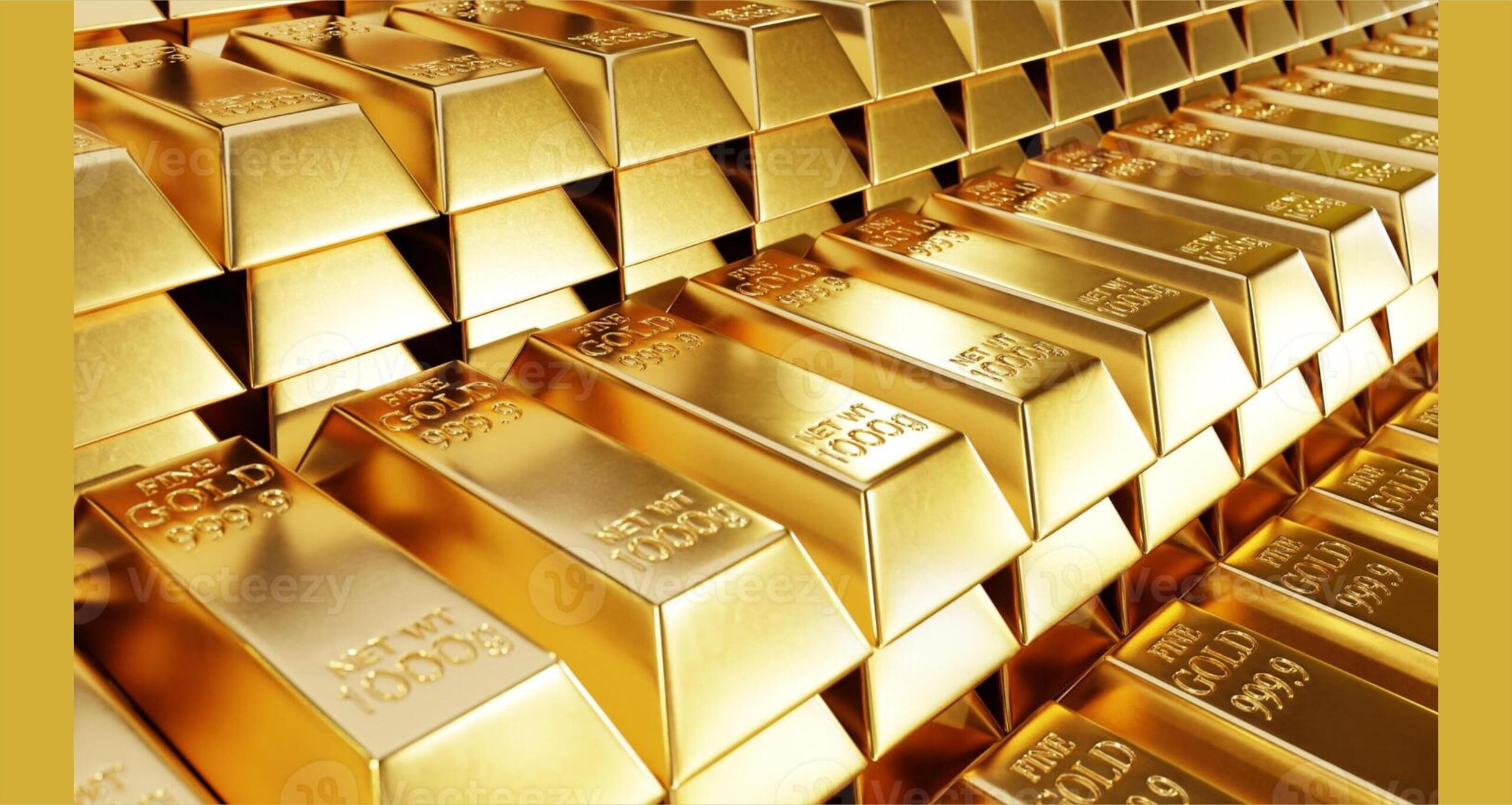
Gold prices have entered a sharp correction, falling from around $4,833 per ounce on April 20 to about $4,020 on Wednesday, according to Trading Economics data. The decline of roughly 16.8% has surprised many investors who only a few months ago were watching bullion surge to record highs.
The selloff is being driven largely by changing expectations in the United States, where investors increasingly believe the Federal Reserve will keep interest rates elevated for longer. Higher interest rates make government bonds and other income-generating assets more attractive than gold, which pays no interest.
At the same time, the U.S. dollar has strengthened, making gold more expensive for buyers using other currencies and reducing global demand. Easing geopolitical tensions have also reduced some of the safe-haven demand that pushed gold sharply higher earlier in the year.
For Nigerian investors, the key question is not simply why gold is falling, but whether the decline is a warning sign or a buying opportunity.
Why Nigerians should pay attention
Although Nigeria is not a major global gold market, gold has become increasingly popular among wealthy individuals, portfolio managers and retail investors seeking protection against naira depreciation and inflation.
In recent years, many Nigerians have viewed gold as a store of value similar to the U.S. dollar. When the naira weakens, gold often retains purchasing power better than cash savings held in local currency.
That means a fall in international gold prices could affect gold-backed investment products, jewelry businesses, informal gold traders, investors holding bullion or gold ETFs through foreign brokerage accounts
What is driving the global correction?
The current decline reflects three major market forces:
Higher U.S. Treasury yields: Investors can now earn attractive returns from U.S. government securities, reducing the appeal of non-yielding assets such as gold.
Stronger dollar: A firmer dollar typically puts downward pressure on commodities priced in dollars, including gold.
Profit-taking after record highs: Gold rallied strongly through early 2026, and many institutional investors are now locking in profits after the historic surge.
Is this a crash?
Despite the recent weakness, several factors continue to support gold over the medium term:
- Central banks are still buying gold as part of reserve diversification.
- Global debt levels remain elevated.
- Inflation risks have not disappeared completely.
- Geopolitical uncertainty could return quickly.
Most market analysts therefore see the current move as a correction within a longer-term bullish trend, rather than a complete collapse in the gold market.
What should Nigerian investors do?
1) Long-term investors using gold as a hedge against inflation and naira depreciation may not need to panic. Corrections of 10% to 20% are common in gold bull markets.
2) If you are a short-term trader, the market remains vulnerable to further downside, especially if the Federal Reserve signals that interest rates could stay high for several more months. A break below the $4,000 support level could trigger additional selling toward $3,900.
3) If you are considering buying, rather than investing a lump sum immediately, a gradual accumulation strategy may be safer while the market remains volatile.
What happens next?
The next major catalyst is the Federal Reserve’s policy guidance. Investors will be watching closely for clues on the timing of future rate cuts, inflation trends and the outlook for U.S. economic growth.
A more dovish Fed could weaken the dollar and help gold recover toward the $4,200-$4,300 range. Conversely, a hawkish stance could keep bullion under pressure for longer.
What it means for Nigeria
For Nigeria’s broader economy, the impact is likely to be limited because crude oil remains the country’s dominant source of export earnings and foreign exchange inflows.
However, the decline still matters for artisanal and commercial gold miners, gold exporters, jewelry manufacturers and investors seeking alternatives to naira assets.
The more important signal may be what the gold correction says about global capital flows. Rising U.S. yields tend to attract money away from emerging and frontier markets, which can indirectly increase pressure on currencies such as the naira.
BuyerMetrics Bottom Line
Gold’s drop below $4,100 per ounce is not yet a reason for panic among Nigerian investors. The correction is being driven mainly by higher U.S. interest rate expectations, stronger Treasury yields and a firmer dollar, not by a collapse in gold’s long-term role as a store of value.
For Nigerians, the smarter question is not “Is gold falling?” but “Will gold still protect my purchasing power if the naira remains under pressure?”
As long as inflation concerns, currency volatility and global economic uncertainty persist, gold is likely to remain an important portfolio diversification tool, even if prices experience further short-term weakness.




