



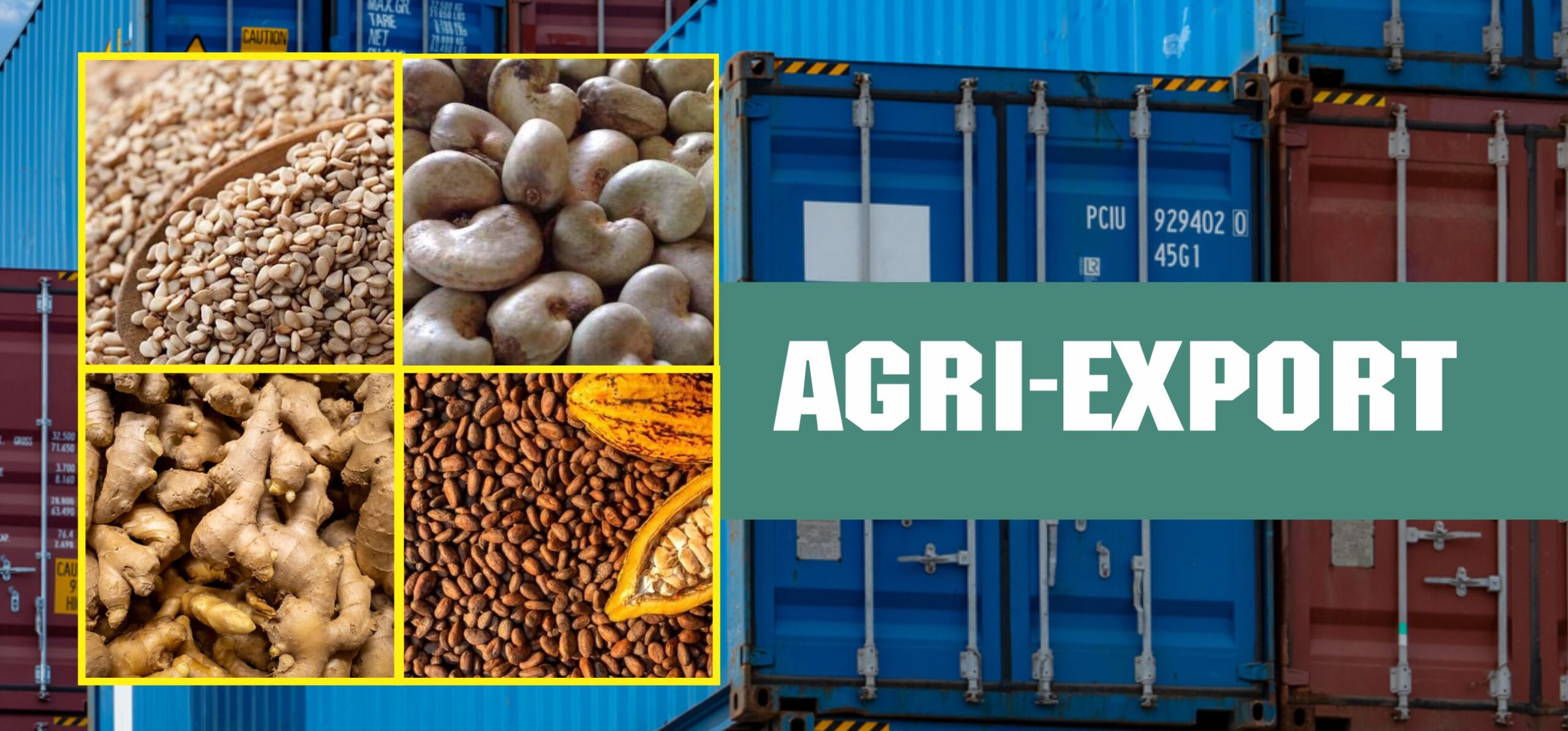
Nigeria’s agricultural export sector delivered strong earnings in the first quarter of 2026, led by cocoa, sesame seeds, soybeans and cashew nuts as global demand for food and agricultural commodities remained robust.
Data from Nigeria’s Foreign Trade Statistics for Q1 2026 shows that cocoa retained its position as the country’s most valuable agricultural export, while oilseed crops such as sesame and soybean continued to strengthen Nigeria’s presence in international commodity markets.
Based on detailed agricultural export classifications in the Q1 2026 trade data releases by the Nigerian Bureau of Statistics, below are the top 10 foreign exchange earners.
Nigeria’s Top 10 Agricultural Export Commodities in Q1 2026
| Rank | Commodity | Export Value |
| 1 | Superior Quality Cocoa Beans | ₦596.90 billion |
| 2 | Sesamum (Sesame) Seeds | ₦153.78 billion |
| 3 | Soybeans | ₦129.27 billion |
| 4 | Cashew Nuts in Shell | ₦119.76 billion |
| 5 | Flours and Meals of Soya Beans
|
₦53.20 billion |
| 6 | Cocoa Butter | ₦41.69 billion |
| 7 | Cashew Nuts Shelled | ₦16.69billion |
| 8 | Other Frozen shrimps and prawns | ₦14.30 billion |
| 9 | Other cut flowers & flower buds | ₦12.23billion |
| 10 | Crude Shea (karite) oil | ₦9.14billion |
Cocoa Remains Nigeria’s Agricultural Export Champion
Cocoa was by far Nigeria’s largest agricultural export during the quarter, generating nearly ₦600 billion in export earnings.
The commodity benefited from elevated global cocoa prices, supply shortages in key producing countries and strong international demand from chocolate manufacturers. Cocoa’s performance reinforced its status as Nigeria’s most important agricultural export and one of the country’s leading non-oil foreign exchange earners.
Related
- Top 10 Most Exported Commodities From Nigeria In Q1 2026
- Why Nigeria’s Cooling Inflation Doesn’t Translate To Cheaper Food
Beyond raw cocoa beans, value-added cocoa products such as cocoa butter, cocoa paste and cocoa powder also contributed significantly to export earnings, highlighting opportunities for greater domestic processing.
Oilseeds Gain Ground in Global Markets
Sesame seeds and soybeans emerged as major export earners, generating a combined ₦283 billion during the quarter.
Demand from Asian markets, particularly for food processing and animal feed production, has helped position Nigeria as a significant supplier of oilseed crops. The strong performance of these commodities reflects growing international demand for agricultural inputs and plant-based food products.
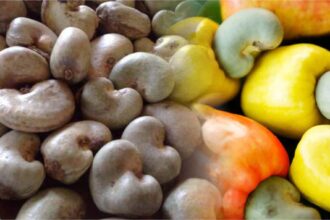
Cashew nuts also remained a key export commodity, benefiting from steady demand from processors in Asia and Europe.
What It Means for Nigeria
The ranking shows that Nigeria’s non-oil export growth is increasingly being supported by agriculture, particularly cocoa and oilseed crops.
However, the figures also reveal the scale of the challenge facing export diversification. Even cocoa, which is the country’s largest agricultural export, generated less than ₦600 billion during the quarter, compared with more than ₦11.2 trillion earned from crude oil exports.
For Nigeria to significantly reduce its dependence on hydrocarbons, agricultural exports will need to expand not only in volume but also through greater local processing and value addition.
BuyerMetrics Bottom Line
Cocoa, sesame, soybeans and cashew nuts remain the backbone of Nigeria’s agricultural export economy. While the sector continues to generate valuable foreign exchange earnings, the Q1 2026 data shows that agriculture still operates on a much smaller scale than the oil sector. The biggest opportunity lies in moving beyond raw commodity exports and expanding the export of processed agricultural products with higher value and stronger margins.
Another notable trend is the growing contribution of non-traditional export crops beyond cocoa. The strong performance of sesame seeds, soybeans and cashew nuts suggests that international buyers are increasingly sourcing a wider range of agricultural commodities from Nigeria. This diversification within agriculture itself is important because it reduces reliance on a single crop and creates multiple pathways for export growth. Sustaining this momentum will require continued investment in quality standards, processing capacity and export infrastructure.