




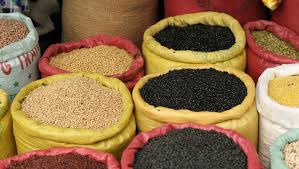
Nigeria’s inflation rate may be easing, but supermarket shelves and open markets are telling a different story.
Recent data from the National Bureau of Statistics shows that inflation dropped further to 15.10% in January from 15.15% in December, a continuation of the moderation since April. Inflation has dropped significantly from its peak level of 34.8% recorded in December 2024. For policymakers, that signals strong stabilization. For households, however, the lived experience remains stubbornly expensive.
The disconnect is simple but powerful: a lower inflation rate does not mean lower prices. It only means prices are rising more slowly than before.
The Mathematics Behind the Misconception
Consider that a 50kg bag of rice sold for between ₦28,000 and ₦35,000 before fuel subsidy removal and FX unification. 50kg bag of Garri went for between ₦18,000 to ₦22,000 while 50kg beans was between ₦25,000 and ₦32,000.
Currently, 50kg bag of local brand long grain rice is selling between ₦55,000 and ₦75,000. Premium brand sells as high as ₦95,000. Bag of beans (Oloyin) climbed to ₦110,000 as at Saturday due to Ramadan. Average market price before the recent increase was between ₦78,000 and ₦90,000. Though rate of price increases has slowed or prices slightly eased in some cases, but the height of prices remain far higher than pre-economic restructuring period.
Related – How Soybeans is Quietly Driving the Price of Chicken and Eggs in Nigeria
The cumulative shock of naira depreciation, energy cost resets, and supply disruptions has permanently lifted price levels across sectors.
Structural Pressures Still shaping prices
Three forces continue to keep prices elevated:
- Exchange Rate Transmission
With the naira adjustment over the past two years, imported inputs, from pharmaceuticals, chemicals to industrial machinery became more expensive. Even locally produced goods depend on imported components, embedding currency pressure into retail prices. - Energy and Transport Reset
Following fuel subsidy removal, logistics costs adjusted upward. Transport is a core input in food distribution, construction materials, and retail trade. Once transport rates reset, downstream pricing followed. - Cost Stickiness in Retail Markets
In informal and semi-formal markets, prices rarely reverse quickly unless demand collapses or supply surges. Traders adjust upward faster than they adjust downward.
The result is that Nigeria may attain price stabilization but without price reversal.
Inflation vs. Cost of Living and what It Means for Business
Inflation measures rate of change. Cost of living reflects price level.
Nigeria is currently experiencing slower price acceleration and not a rollback in living costs. This distinction matters. For households, relief comes not merely from lower inflation, but from income growth outpacing inflation. If wages rise 10% while prices rise 25%, purchasing power still declines even if inflation is technically “lower.”
For businesses, moderating inflation can improve planning visibility. Inventory forecasting, contract pricing, and credit structuring become easier in a more stable environment.
However, consumer demand may remain fragile. Elevated price levels compress disposable income, particularly in food-heavy expenditure categories, which dominate Nigerian household budgets.
Expect:
- Slower but sustained price increases
- Margin pressure in consumer-facing sectors
- Gradual normalization rather than rapid relief
BuyerMetrics Bottom Line
Nigeria’s inflation may be cooling, but the price level has structurally reset higher. Lower inflation improves macroeconomic stability; it does not make goods cheap.
The real turning point will come when exchange rate volatility declines further, supply-side bottlenecks ease and income growth begins to close the gap with cumulative price increases
Until then, inflation headlines may soften, but the checkout counter will still feel heavy.