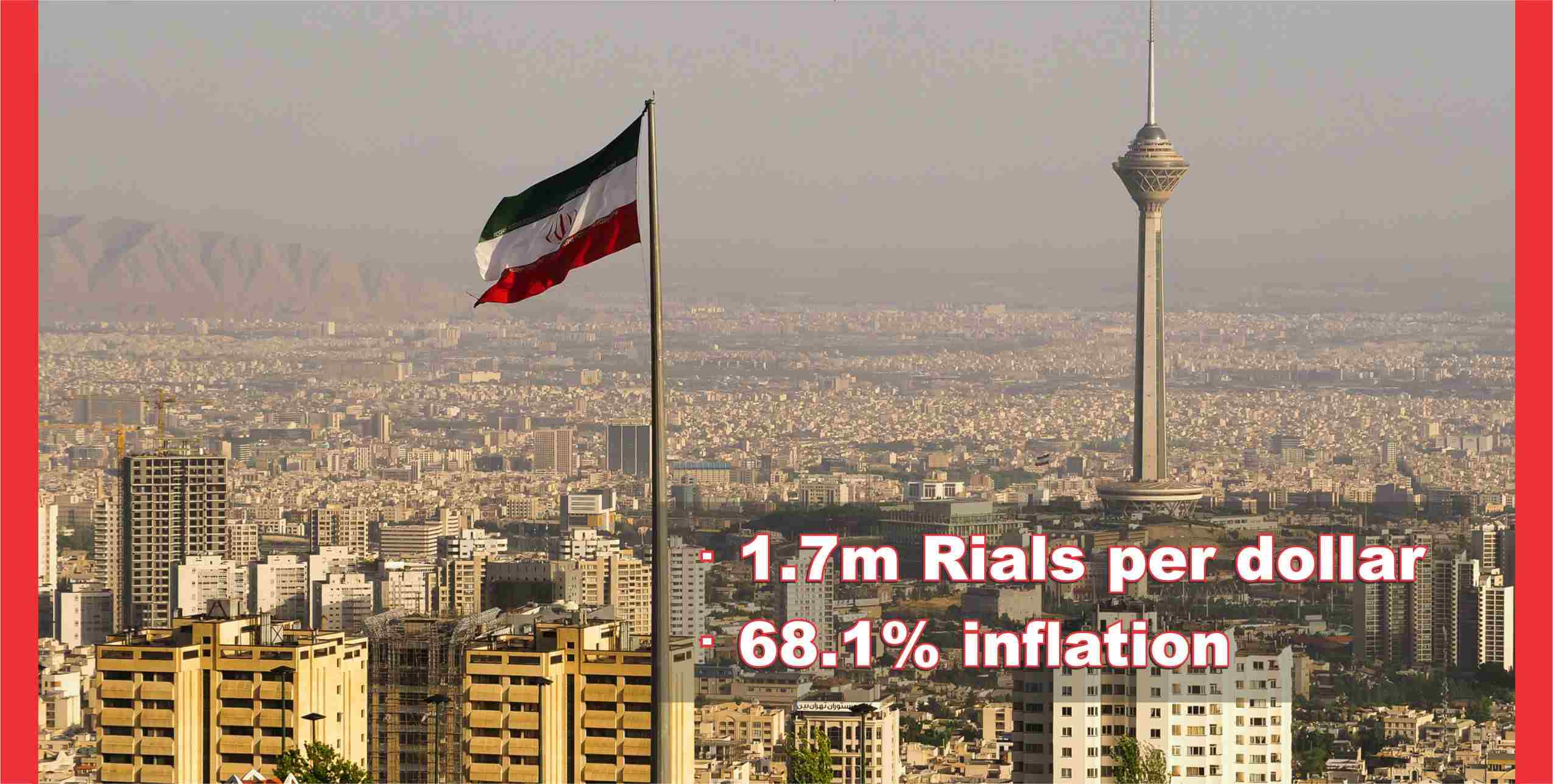
Iran’s economic picture in early 2026 reads like a slow‑motion crisis, long before the latest escalation in regional conflict. Years of international sanctions have sharply limited Tehran’s access to global markets, strangling oil exports and foreign investment and contributing to a widening disparity between official and market currency values. The Iranian rial, once trading in the tens of thousands per U.S. dollar a decade ago, has plunged into the millions on the open market; at times this year the free‑market rate has weakened past 1.7 million rials per dollar, a dramatic sign of investor panic and currency dysfunction. Inflation has surged past 60–68% year‑over‑year in early 2026, with food prices more than doubling compared with a year earlier, leaving households struggling to absorb the rising cost of essentials. Official statistics also show that wages have grown far more slowly than prices, undercutting real income and deepening hardship in cities from Tehran to Tabriz.
The War at Home: Impact on Ordinary Iranians
For ordinary Iranians, the combination of spiraling prices and a weakening currency has made daily life a balancing act between shrinking purchasing power and essential needs. The sharp depreciation of the rial which lost nearly half its value in recent years and at times trades deep into the millions per dollar, has made imported goods far more expensive, especially food, medicine and consumer staples.
In February 2026, the cost of a basic food basket was reported to be more than 110% higher than a year earlier, while wages lagged far behind, eroding household budgets. Many families find that savings once set aside for education or home repairs now barely cover groceries. Businesses face erratic exchange rates that make planning imports or paying foreign suppliers almost impossible, feeding inflation further. As geopolitical tensions rise, consumer confidence ebbs and ordinary Iranians increasingly feel that economic instability — not distant strategic debates dictate their day‑to‑day concerns.
Oil Markets: Strategic Vulnerability and Revenue Risk
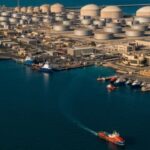
Iran’s economy remains tightly bound to global energy markets, but recent spikes in geopolitical risk have transformed oil from a stable revenue source into a deep vulnerability. Concerns about potential disruption around the Strait of Hormuz, a chokepoint through which roughly 20% of global oil trade flows, have pushed Brent and U.S. crude prices sharply higher in early March 2026, with analysts warning that prices could exceed $90–100 per barrel if shipping through the strait is restricted.
Related – After 2 Decades of Aggressive Lending, China is Pulling Back from Africa
Iran’s own output, although still significant, is constrained not just by sanctions but by market fear, which can deter buyers and reduce actual exported volumes. As a result, Tehran earns less hard currency even as global oil prices climb, because insurers, shippers and buyers seek to avoid routes perceived as dangerous. This market dynamic means that instead of providing a financial cushion, oil exports can amplify economic risk: higher global prices do little to help Iran if physical deliveries slow or sanctions block revenue flows.
Global Ripple Effects
The economic tremors from Iran’s turmoil extend beyond its borders. Elevated oil prices act like a hidden tax on consumers and businesses worldwide, raising transportation and manufacturing costs in economies already battling inflation. Central banks face difficult choices between containing price pressures and supporting fragile post‑pandemic growth. Investors, unsettled by geopolitical risk, often shift capital into safe havens like gold, further reducing flows into emerging markets tied to oil or regional trade. Supply chain costs rise as insurance premiums for shipping through the Gulf climb, affecting prices from Asia to Europe. In this interconnected landscape, conflict‑related economic shocks in or near Iran can reverberate far from the Gulf, influencing global inflation patterns, energy security debates and financial markets.
BuyerMetrics Bottom Line
Iran’s economy was already grappling with profound structural weakness before the latest flare‑ups, marked by a precipitous fall in the rial’s value and inflation that has outpaced wage growth for years. Ordinary Iranians now contend with the real‑world effects of those trends: higher food and commodity prices, eroded savings and rising uncertainty. In oil markets, geopolitical risk tied to the region’s strategic geography has injected volatility that cuts both ways, higher prices globally have not translated into stable export revenue for Tehran. And globally, the ripple effects of elevated energy prices and risk aversion underscore how much economic stability everywhere depends on a complex web of financial, commodity and currency markets. In short, the battle over Iran’s future is not just a geopolitical story: it is an economic one with palpable impacts felt by households, markets and policymakers around the world.