




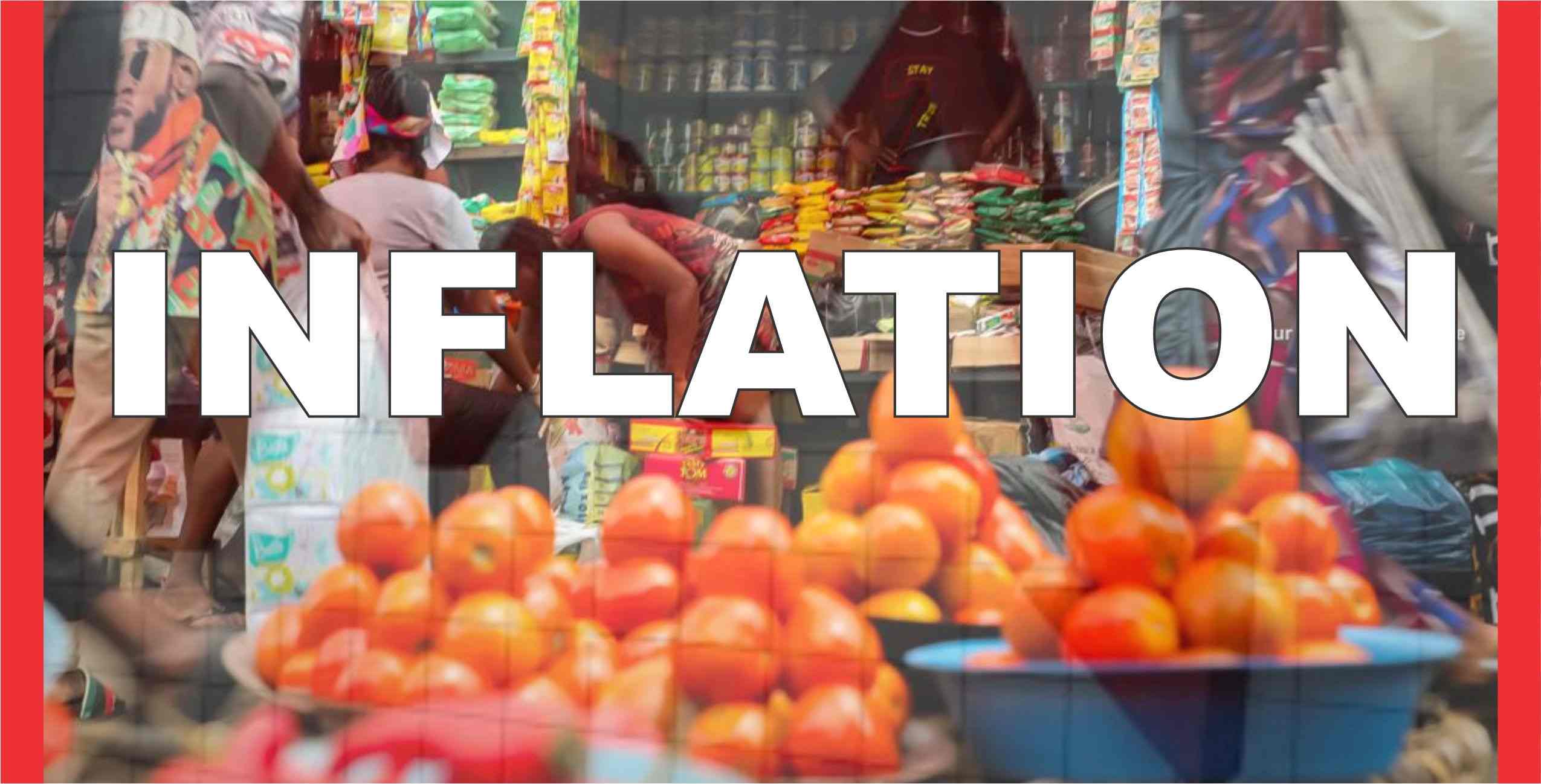
Nigeria’s February 2026 Consumer Price Index report appears, at first glance, to be good news. Headline inflation slowed to 15.06%, down from 26.27% recorded in February 2025, marking one of the most significant year-on-year declines in recent years.
But a deeper reading of the data released by the National Bureau of Statistics reveals a more complex reality: inflation is cooling structurally, yet short-term price pressures are beginning to rebuild.
For investors, businesses and policymakers, the report contains five critical signals about the direction of Nigeria’s economy in 2026.
- Nigeria Has Moved from Inflation Crisis to Inflation Volatility
The most important signal in the CPI report is the sharp reduction in annual inflation. The headline inflation rate dropped to 15.06%, compared with 26.27% in February 2025, representing an 11.21 percentage-point decline. This suggests that the period of extreme inflation that followed currency devaluation, fuel subsidy removal and supply disruptions is gradually easing.
However, the Consumer Price Index itself rose to 130.0, up 2.6 points from 127.4 in January, confirming that prices are still rising, just more slowly than before.
For the economy, this marks a transition from inflation acceleration to inflation moderation, not a return to price stability.
- Monthly Inflation Is Quietly Rebuilding
While annual inflation slowed slightly between January and February, the month-on-month inflation rate surged to 2.01%, compared with −2.88% recorded in January. This represents a 4.89 percentage-point swing in a single month, indicating that the pace of price increases has suddenly accelerated again.
This trend matters because monthly inflation often signals future annual inflation direction. If monthly price increases remain elevated over several months, headline inflation could begin rising again later in the year.
For policymakers, this means the inflation fight is not yet over.
- Food Inflation Is Falling — But Food Prices Are Rising Again
Food inflation has been the biggest driver of Nigeria’s cost-of-living crisis over the past three years.
The February data shows a significant improvement. Food inflation fell to 12.12% year-on-year, down from 26.98% in February 2025, representing a dramatic 14.86 percentage-point decline.
However, the monthly data tells a different story. Food inflation jumped to 4.69% month-on-month, up sharply from −6.02% in January. The increase was driven by rising prices of staples such as beans, cassava tubers, millet flour, yam flour, crayfish and ogbono.
This suggests that Nigeria’s food supply system remains highly sensitive to seasonal shocks, logistics costs and regional supply disruptions.
For households, this means the cost of food may still rise even as inflation appears to slow in official statistics.
- Urban Nigeria Is Bearing the Inflation Burden
The CPI data also reveals that inflation pressures are stronger in cities than in rural areas. Urban inflation stood at 15.53% year-on-year, compared with 13.93% in rural areas.
More importantly, month-on-month urban inflation rose to 2.55%, significantly higher than the 0.71% recorded in rural areas.
Related – Nigeria’s 2026 Forex Outlook: From Crisis to Managed Stability
Urban households are more exposed to transportation costs, energy and utilities, housing and rent and imported goods. These sectors tend to react more quickly to currency movements and supply chain disruptions. As a result, inflation tends to hit cities harder than rural communities.
- Nigeria’s Inflation Is Becoming More Regionalized
One of the most striking patterns in the CPI report is the growing disparity between states.
The highest year-on-year inflation rates were recorded in:
- Kogi State — 23.57%
- Benue State — 22.85%
- Anambra State — 22.09%
Meanwhile, the lowest inflation rates were recorded in:
- Katsina State — 7.78%
- Imo State — 11.66%
- Ebonyi State — 11.71%
These disparities highlight the growing role of regional supply chains, security conditions and agricultural production patterns in shaping inflation across the country.
In practical terms, Nigeria no longer has a single inflation economy, it has multiple regional inflation realities.
The Bigger Macroeconomic Picture
The CPI data also reveals an important long-term trend. The 12-month average inflation rate rose to 21.03%, compared with 18.01% recorded in February 2025. This shows that while the headline inflation rate is slowing, the cumulative inflation experienced by households over the past year remains extremely high.
Similarly, core inflation, which excludes volatile food and energy prices, stood at 15.88%, indicating that structural price pressures in services and manufactured goods remain strong.
BuyerMetrics Bottom Line
Nigeria’s February inflation report reveals a three-phase transition in the country’s inflation cycle.
- The inflation crisis phase is ending; Prices are no longer rising at the extreme levels seen in 2024–2025.
- The volatility phase has begun; Monthly price increases show that inflation risks remain active.
- The stabilization phase is not yet guaranteed; Structural pressures such as food supply, logistics costs and currency movements continue to shape price trends.
For investors, the implication is clear: Nigeria’s macroeconomic environment is stabilizing, but the path to price stability will remain uneven.








For food driven inflation to rise in Benue second to Kogi is a strong signal that insecurity is taking a serious toll on the nation’s food production