







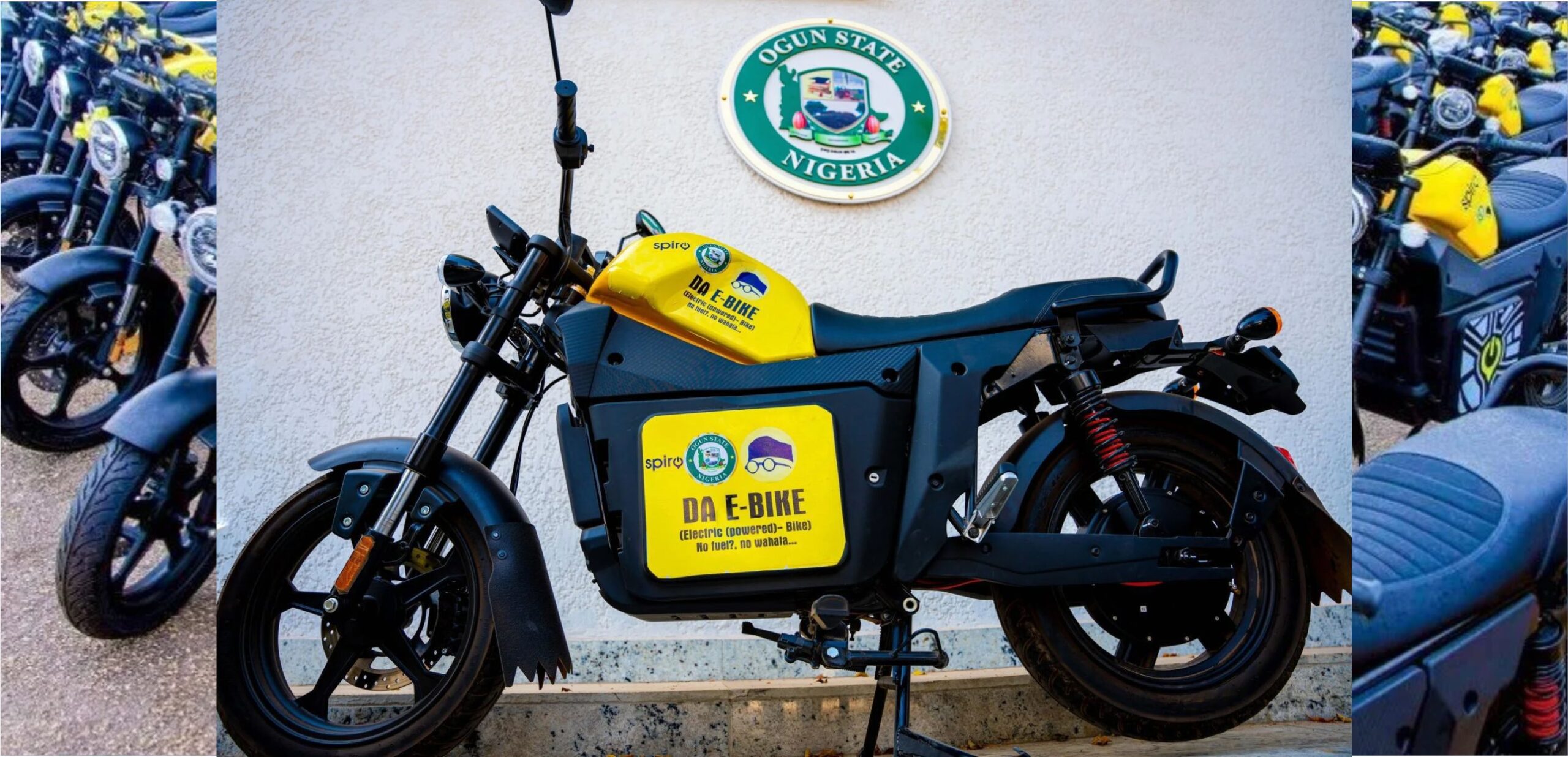
Electric bikes are quietly emerging as a practical solution to Nigeria’s urban transport challenges. For years, city residents and businesses have relied on petrol motorcycles to navigate congestion, fuel volatility, and weak public transport networks across Lagos, Ibadan, Aba, Port Harcourt, and other urban centres. These motorcycles were once the default: fast, flexible, and relatively affordable.
By 2025, however, that model is showing strain. Rising fuel costs, tighter rider margins, and growing urban density are forcing a rethink — and in that recalibration, electric bikes and electric motorcycles are no longer fringe experiments. They are fast becoming one of the most economically rational ways to move people and goods through Nigeria’s cities.
Fuel Economics and Urban Travel Patterns Are Driving the Shift
The removal of petrol subsidies permanently altered the cost base of urban mobility. For riders and delivery operators, fuel has become a daily source of uncertainty rather than a stable operating input.
E-bikes replace that volatility with predictability. Charging costs are lower and more stable than petrol purchases, while maintenance requirements are reduced due to fewer mechanical components. For high-frequency users, these savings compound quickly.
At the same time, Nigerian cities are structurally suited to electric two-wheelers. Most urban trips are short, repetitive and time-sensitive, taking place in congested corridors where manoeuvrability matters more than engine power. Electric bikes thrive in these conditions, moving efficiently through traffic and reducing last-mile friction.
As population growth continues to outpace road expansion, transport modes that function within congestion gain an edge.
Logistics, Delivery and Fleet Economics Are Accelerating Adoption
The clearest signal of electric bike momentum is emerging from logistics.
E-commerce, food delivery and courier services now account for a growing share of urban movement. For these businesses, fuel price swings and frequent mechanical breakdowns translate directly into margin pressure.
Electric bikes reduce both risks. Lower operating costs, simpler maintenance and the rise of battery-swapping models have shifted electric fleets from pilot projects to operational assets. BuyerMetrics estimates indicate that fleet operators already account for over 60% of early electric two-wheeler adoption, a share expected to grow as charging infrastructure scales.
For logistics firms, electric mobility is less about sustainability messaging and more about operational resilience.
Local Assembly, Policy Signals and Cultural Fit Are Lowering Barriers
Until recently, high import costs and limited after-sales support kept electric bikes out of reach for most users. That barrier is weakening. By 2025, new local assembly capacity — capable of producing tens of thousands of electric two-wheelers annually has entered the market.
Related – How Nigerians Choose Toothpaste, Why Urban And Rural Markets Are Drifting Apart
Local production lowers unit costs, improves spare-parts availability and shortens repair cycles, shifting electric bikes from premium alternatives toward commercially viable transport tools.
Policy is not leading this transition, but it is aligning with it. Regulatory adjustments increasingly favour local assembly and technology transfer over fully built imports, reducing uncertainty for investors and operators.
Crucially, cultural resistance is minimal. Motorcycles are already embedded in Nigeria’s transport ecosystem. Electric bikes operate within familiar routes, rider behavior and commercial structures — requiring only a change in energy source, not habit.
How Big Can Electric Bikes Get?
In 2025, electric two-wheelers still represent less than 0.5% of Nigeria’s estimated 8–10 million urban motorcycles and bikes. But that share is unlikely to remain marginal.
BuyerMetrics adoption scenarios suggest a base-case path of 500,000–700,000 electric bikes by 2030, driven by fleet adoption, fuel volatility and local assembly scale. In an accelerated scenario, electric penetration could exceed 10%, making electric two-wheelers the default choice for urban logistics.
Across all scenarios, one constraint stands out: battery infrastructure. The pace of charging and swapping network expansion will determine how fast adoption moves from early scale to mass use.
BuyerMetrics Bottom Line
Electric bikes are not spreading because they are fashionable or policy-mandated. They are spreading because they fit Nigeria’s urban economic reality. They deliver predictable costs in a volatile fuel market, operate efficiently within congestion, align with existing transport behavior and scale through local manufacturing.
In Nigeria’s cities, electric two-wheelers are no longer an alternative. They are quietly becoming core urban economic infrastructure.