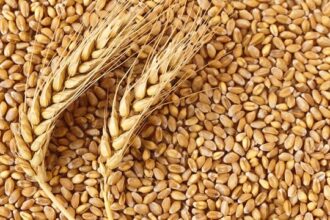






Global wheat prices have fallen more than 12% since mid-May, but Nigerian consumers are yet to see meaningful relief in the cost of bread and flour.
Benchmark wheat prices declined from about $256 per metric ton in mid-May to about $224 per ton by June 17, as improved crop conditions and expectations of ample global supplies eased market concerns.
Yet across Nigeria, bread prices remain elevated, highlighting how exchange rates, logistics costs, and import dependence continue to shape food inflation beyond movements in commodity markets.
The Import and Price Equation
Wheat remains one of Nigeria’s most important food imports. According to FAO, in mid-2026, wheat prices in Nigeria ranged from N109 to N140 per kilogram (N42,000 to N72,000 per 100kg bag) at the farmgate and local markets. Processed 50kg bags of commercial wheat flour traded between N51,000 and N65,000.
The decline in global wheat prices has not translated into equivalent reductions in food prices.
NBS data show that pre-packaged wheat flour products continue to sell between ₦1,050 and ₦1,200 for a 2kg pack, while wheat grains trade at around ₦30,000 per bag, depending on location.
Meanwhile, BuyerMetrics market surveys indicate that bread prices remain firmly elevated. Unbranded street loaves currently sell between ₦800 and ₦1,500, while premium sliced bread in supermarkets and bakeries ranges from ₦1,200 to ₦2,500, depending on size and brand.
Why Lower Wheat Prices Are Not Reaching Consumers
The answer lies in Nigeria’s import structure.
Although international wheat prices have fallen, flour millers still face exchange-rate pressures because wheat purchases are largely denominated in dollars.
In addition, bakers continue to grapple with rising transportation costs, energy expenses, packaging materials, labour costs, and distribution charges.
As a result, lower wheat prices reduce only one component of the total cost of producing bread.
For many businesses, savings from cheaper wheat are being offset by other operating expenses.
What It Means for Households
Bread remains one of the most widely consumed processed foods in Nigeria and serves as a daily staple for millions of households.
The persistence of high bread prices means that recent declines in global wheat markets have yet to deliver meaningful savings for consumers.
This disconnect illustrates a broader challenge within Nigeria’s food economy: lower global commodity prices do not automatically translate into lower retail food prices.
BuyerMetrics Insight
The recent decline in wheat prices suggests that global supply concerns have eased, but Nigeria’s food inflation story is increasingly being driven by domestic factors.
Exchange-rate volatility, energy costs, transportation expenses, and heavy dependence on imported raw materials continue to shape food prices more than commodity movements alone.
For consumers, the implication is clear: cheaper wheat does not necessarily mean cheaper bread.
BuyerMetrics Bottom Line
Global wheat prices have fallen by more than 12% since mid-May, yet bread prices across Nigeria remain elevated. With wheat imports reaching ₦340 billion in the first quarter of 2026, the country remains highly exposed to international markets. Until exchange-rate pressures and domestic operating costs ease, the benefits of lower global wheat prices are unlikely to be fully reflected on bakery shelves.